
Forage & Pasture Management
Clover-Based Swards
Clover-based swards use nitrogen-fixing clover to supply some or all of a sward's nitrogen requirement, cutting how much synthetic fertiliser is needed.
See the cost breakdown →01 · Context
How It Works
Clover draws nitrogen from the air and makes it available to the sward naturally, so the farm relies less on synthetic nitrogen.
Red clover is typically used in silage swards, where it can supply the full nitrogen requirement for silage production. White clover suits grazing swards, where it caps nitrogen need at a lower, but still meaningful, level.
Either clover can be established through a normal reseeding cycle.
02 · Emissions
Impact On Emissions
Clover-based swards cut direct and indirect nitrous oxide emissions from soil by reducing synthetic nitrogen on the reseeded area. They also cut the upstream emissions created when that fertiliser was manufactured.
Red clover in silage ground can remove synthetic nitrogen on that area entirely. White clover in grazing ground caps nitrogen use at a lower ceiling.
Your specific reduction, based on which clover type you use and how much of your platform is converted, is modelled precisely for your farm in the ODOS Tech platform.
03 · Production
Impact On Production
Clover-based swards can maintain or improve yields through biological nitrogen fixation. Where feed quality rises alongside it, animal performance may improve too.
Establishment does take time. A full season is typically needed after reseeding before the nitrogen benefit shows fully.
The fertiliser saving and the yield effect come from the same nitrogen the clover supplies.
Production Snapshot
Based on reseeded silage or grazing ground
No negative yield impact expected
full benefit shows after a season of establishment
04 · Costs
Cost & Economics
A one-time reseeding cost, with fertiliser savings over time.
The main cost is reseeding the ground with a clover-inclusive mix, a one-time cost per area converted. Against that, the farm saves on bagged nitrogen fertiliser going forward, since synthetic nitrogen use drops or is eliminated on the converted area.
How much you save depends on how much of your platform you convert and how much nitrogen that ground receives today. This is exactly the kind of comparison ODOS Tech runs against your own fertiliser costs.
See how it's modelled →- One-time reseeding cost per area converted
- Ongoing savings on bagged nitrogen fertiliser
- Savings valued at your own fertiliser prices
- Full saving shows once the clover has established
05 · Fit
Where This Works Best
Strong fit
- Silage ground due for reseeding, suited to red clover
- Grazing platforms due for reseeding, suited to white clover
- Farms able to fit clover into a normal reseeding cycle
Less suited
- Ground not yet due for reseeding
- Farms needing the full nitrogen benefit straight away, since clover takes a season to establish
- Grazing ground already applying little synthetic nitrogen, leaving less to reduce
06 · Model
How We Model This
The share of the farm allocated to silage (for red clover) or grazing (for white clover) is set per farm. The model calculates current nitrogen use on that area and reduces it to the strategy's target, applying the corresponding fertiliser and emissions reduction.
FAQ
Preguntas frecuentes
What's the difference between red and white clover for this strategy? +
Red clover is used on silage ground and can eliminate synthetic nitrogen there entirely. White clover suits grazing ground and caps nitrogen use at a lower level rather than removing it completely.
Does this affect silage or grass yield? +
No negative impact is expected. Yields are typically maintained or improved through clover's natural nitrogen contribution.
How long before the nitrogen benefit shows? +
A full season is typically needed for the clover to establish and for the nitrogen benefit to show fully.
Is this the same as a multispecies sward? +
No, though they're related. Multispecies swards mix grasses, legumes, and herbs together. This strategy uses clover specifically, targeted at either silage or grazing ground.
Can red and white clover be used on the same farm? +
Yes. Red clover on silage ground and white clover on grazing ground can be modelled as separate parts of the same farm's fertiliser programme.
More Like This
Related Strategies
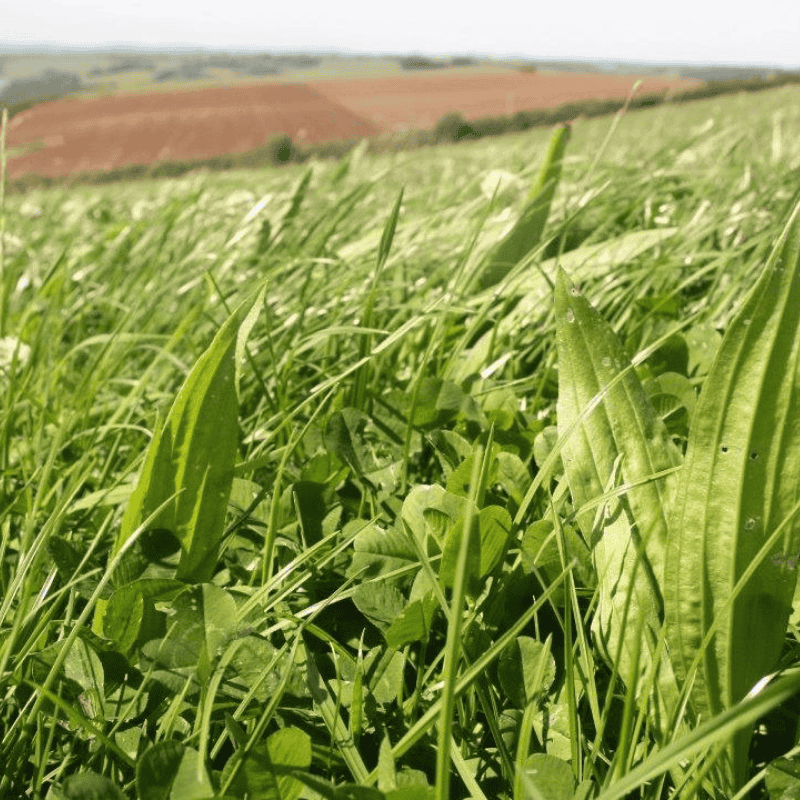
Multispecies Swards
A broader version of the same nitrogen-fixing principle.
See how it works →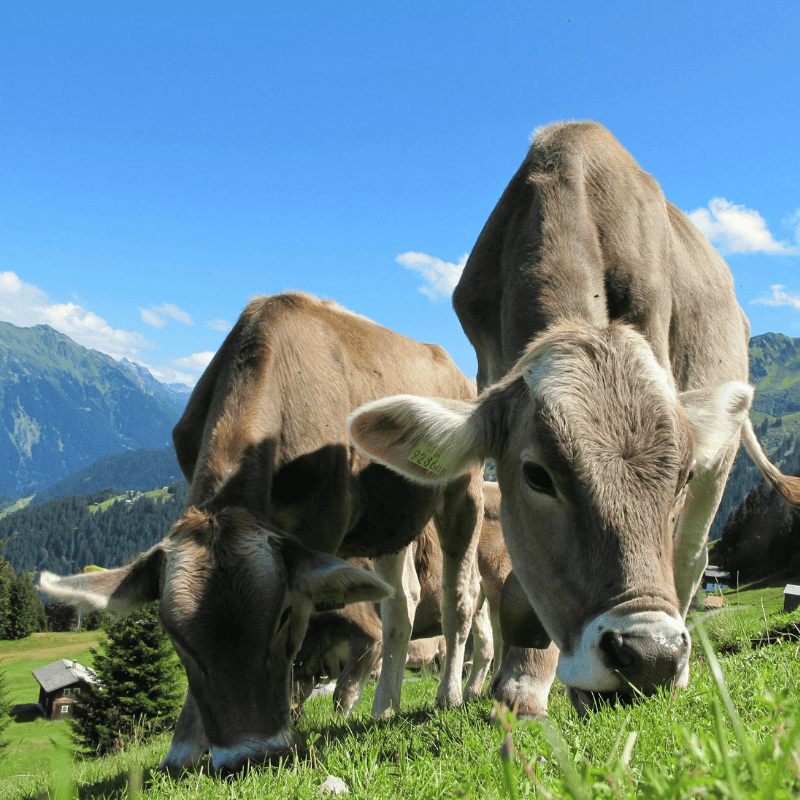
Extending Grazing Season
Pairs naturally with an improved grazing platform.
See how it works →
Protected Urea
A lower-emissions fertiliser option for ground not yet due for reseeding.
See how it works →