
Forage & Pasture Management
Multispecies
Swards
Multispecies swards mix grasses, legumes, and herbs on grazing land, so the sward fixes more of its own nitrogen and needs less bagged fertiliser.
See the cost breakdown →01 · Context
How It Works
A multispecies sward, sometimes called a herbal ley, replaces a simple grass only sward with a mix of grasses, nitrogen fixing legumes such as clover, and deep rooting herbs.
The legumes draw nitrogen from the air and make it available to the sward naturally, reducing how much synthetic nitrogen the grazing platform needs. The strategy caps nitrogen application on grazing land at 90 kilograms per hectare, with any nitrogen above that cap removed from the fertiliser programme.
Legume root nodules fix nitrogen directly from the air, and that nitrogen becomes available to the grass and herb roots growing alongside it, not just the clover itself.
02 · Emissions
Impact On Emissions
By lowering synthetic nitrogen use on grazing land, multispecies swards reduce both the direct nitrous oxide emissions from soil and the upstream emissions created when that fertiliser was manufactured.
The reduction scales with how much of the grazing platform is converted and how far current nitrogen use sits above the 90 kilogram per hectare cap.
Your specific reduction, based on your grazing area and current fertiliser programme, is modelled precisely for your farm in the ODOS Tech platform.
03 · Production
Impact On Production
Multispecies swards can maintain or improve grass productivity through better soil biology and the natural nitrogen contribution from legumes, so no negative production impact is expected.
A full season is typically needed after reseeding before the nitrogen and productivity benefits show fully.
Production Snapshot
Based on grazing platforms converted to a multispecies sward
*Benefits build over the establishment period
nitrogen and productivity gains show fully after a full season
04 · Costs
Cost & Economics
One reseed, then a lighter fertiliser bill every year after.
The main cost is reseeding the grazing platform with the multispecies mix, a one time cost per paddock that is reseeded. Against that, the farm saves on bagged nitrogen fertiliser going forward, since less is needed to reach the same nitrogen cap.
Urea and CAN are priced by the tonne of nitrogen they deliver, so the saving scales with how much fertiliser use drops.
See how it's modelled →- One time reseeding cost per paddock converted
- Ongoing savings from reduced bagged nitrogen fertiliser
- Urea and CAN priced by the tonne of nitrogen they deliver
- Saving scales with how far fertiliser use drops toward the cap
05 · Fit
Where This Works Best
Strong fit
- Grazing platforms due for reseeding as part of the normal reseeding cycle, since the mix establishes the same way a standard grass sward would
- Farms wanting to reduce bagged nitrogen without cutting grass growth
Less suited
- Silage ground, since the strategy targets grazing platforms specifically, not silage areas
06 · Model
How We Model This
Current nitrogen application per hectare on the grazing platform is calculated from your existing fertiliser data. Where this exceeds the 90 kilogram per hectare cap, the excess is removed from the farm's fertiliser programme and the corresponding emissions reduction is applied.
FAQ
Preguntas frecuentes
What is a multispecies sward? +
A mix of grasses, nitrogen fixing legumes such as clover, and herbs planted together on grazing land, sometimes called a herbal ley.
Do multispecies swards reduce the need for nitrogen fertiliser? +
Yes, since the legumes in the mix fix nitrogen naturally, reducing how much synthetic nitrogen the sward needs.
How long does it take for a multispecies sward to establish? +
A full season is typically needed before the nitrogen and productivity benefits show fully.
Do multispecies swards affect grass yield? +
No negative impact is expected. Productivity is generally maintained or improved.
Is a multispecies sward the same as a herbal ley? +
Yes, the two terms describe the same practice of sowing a diverse mix of grasses, legumes, and herbs together.
More Like This
Related Strategies
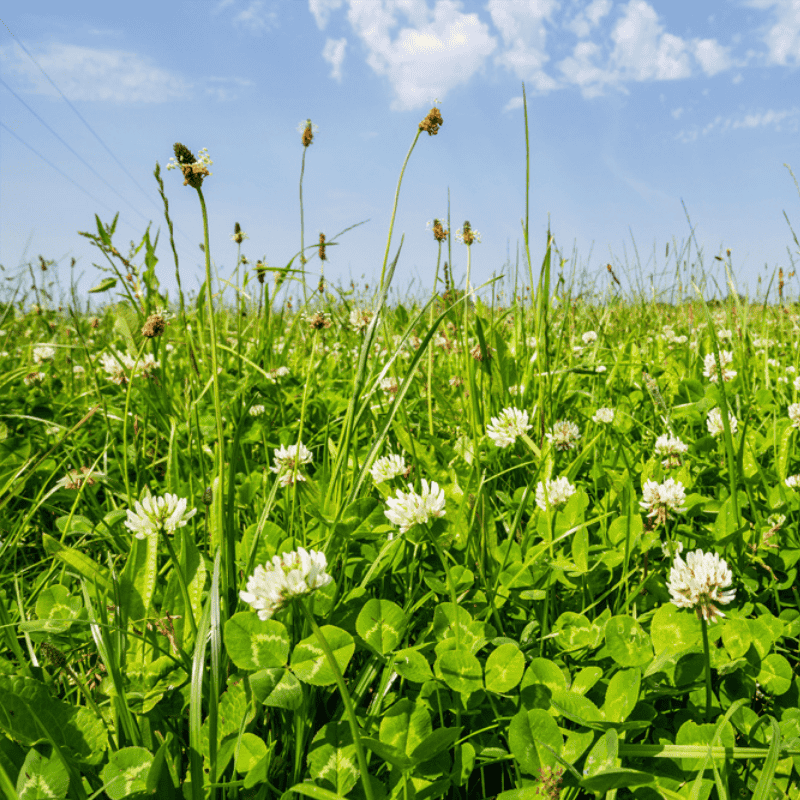
Clover-Based Swards
A more targeted version of the same nitrogen fixing principle.
See how it works →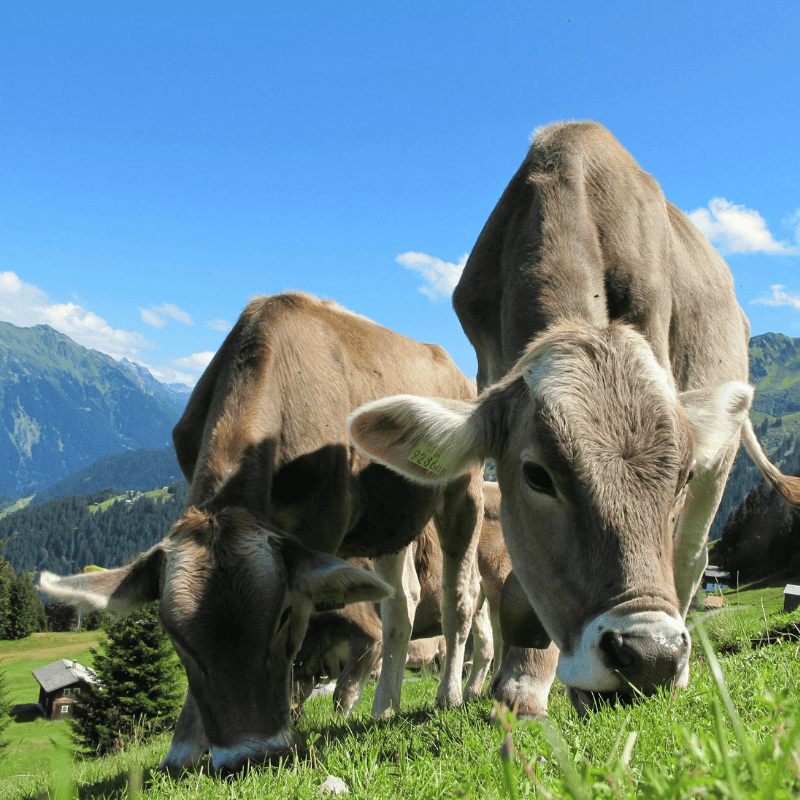
Extending Grazing Season
Pairs naturally with an improved grazing platform.
See how it works →
Protected Urea
For farms not yet ready to reseed but wanting a lower emissions fertiliser option.
See how it works →