
Animal Nutrition & Feeding
Native Diet
Local Feed Sourcing
A native diet strategy sources feed ingredients locally, cutting the emissions embedded in transporting feed onto the farm.
See the cost breakdown →01 · Context
How It Works
Some feed ingredients travel long distances before reaching the farm, and that transport carries its own emissions footprint.
A native diet strategy replaces a share of the ration with locally sourced ingredients, cutting the distance feed travels and, in many cases, the emissions embedded in how it was produced. The rest of the ration stays the same, so this is a substitution within the existing diet rather than a redesign of it.
Shorter transport distances mean lower embedded emissions in the feed reaching the farm.
02 · Emissions
Impact On Emissions
Native diet feed carries a lower assumed carbon footprint than conventional blends, largely due to shorter transport distances. Where an imported ingredient also carries a higher production footprint in its country of origin, that upstream difference adds to the emissions gap as well.
The reduction scales with how much of the total ration is switched to locally sourced ingredients, since the rest of the ration keeps its existing emissions profile unchanged. A small substitution shifts the footprint proportionally; switching a larger share of the ration shifts it further.
Your specific reduction, based on your current feed mix and what is available locally, is modelled precisely for your farm in the ODOS Tech platform.
03 · Production
Impact On Production
No negative production impact is expected, provided the nutritional adequacy of the diet is maintained when local ingredients replace imported ones. Because this strategy substitutes within the existing ration rather than redesigning it, the herd's overall nutrient intake should stay consistent as long as the swap is like-for-like on a nutritional basis.
Where local ingredients differ in protein, energy, or fibre content from what they replace, the ration may need re-balancing to keep production on track. It's worth checking this against your current formulation before committing to a larger substitution.
Worth checking that local ingredients can nutritionally replace what they're substituting before switching.
Production Snapshot
Based on farms switching to native diet sourcing
*Conditional on nutritional adequacy
being maintained as ingredients are switched
04 · Costs
Cost & Economics
Cost depends on what's already growing near you.
Cost depends entirely on local feed prices relative to the conventional blend being replaced, and whether local ingredients carry a premium or a discount in your region.
Where local feed is competitively priced, this strategy can reduce both emissions and feed cost together.
See how it's modelled →- Cost depends entirely on local feed prices relative to the conventional blend
- Local ingredients may carry a premium or a discount in your region
- Where local feed is competitively priced, emissions and feed cost can both fall
- No fixed cost, it's set by your local supply and current feed prices
05 · Fit
Where This Works Best
Strong fit
- Farms with reliable access to local feed supply chains
- Farms where local ingredients can nutritionally replace imported ones without compromising the ration
Less suited
- Farms that depend heavily on imported protein sources with no comparable local alternative
06 · Model
How We Model This
The share of the ration switched to native diet ingredients is applied against the assumed carbon footprint value for locally sourced feed, and emissions are recalculated relative to the conventional blend being displaced.
FAQ
Frequently Asked Questions
What counts as a native diet for dairy cows? +
A ration where a share of the feed ingredients are sourced locally rather than imported, cutting transport related emissions.
Does sourcing feed locally reduce a farm's carbon footprint? +
Yes, native diet feed carries a lower assumed carbon footprint than conventional blends, largely due to shorter transport distances.
Does a native diet affect milk production? +
No negative impact is expected, provided nutritional adequacy is maintained as ingredients are switched.
Is locally sourced feed more expensive than imported feed? +
It depends on your region and local feed prices. It can be cheaper, comparable, or carry a premium.
Can a native diet be combined with other feed strategies? +
Yes, it can be combined with strategies such as methane reducing feed additives or forage quality improvements, since each targets a different part of the feed footprint.
More Like This
Related Strategies
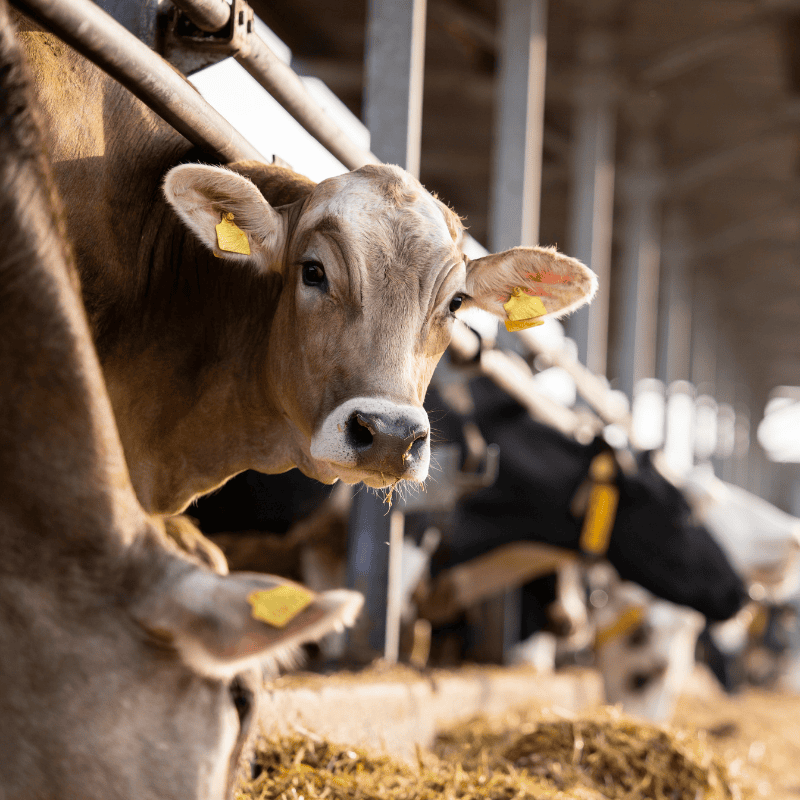
Methane-Reducing Feed Additives
Another feed side lever, targeting enteric methane directly.
See how it works →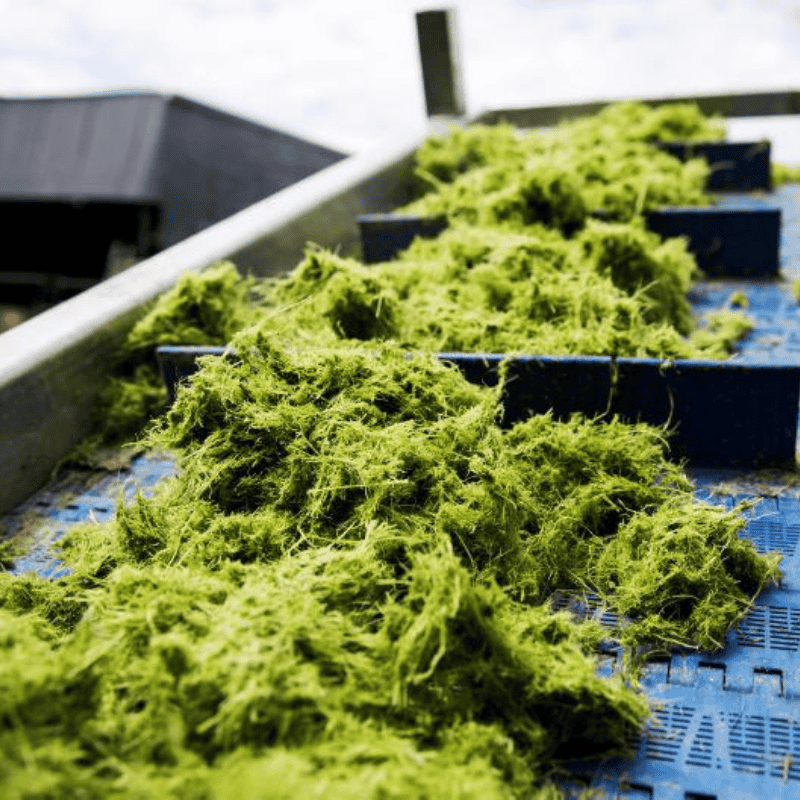
Improving Forage Quality
Improves feed conversion rather than sourcing.
See how it works →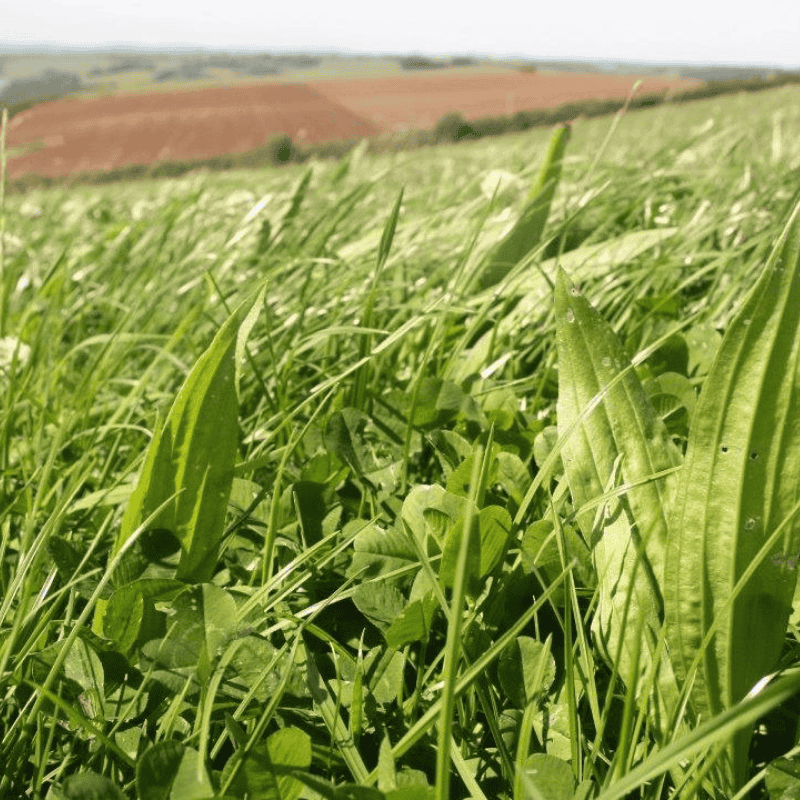
Multispecies Swards
For farms looking to grow more of their own feed on the grazing platform.
See how it works →