
Nutrition & Feed
Methane-Reducing
Feed Additives
Compounds added to a cow's daily ration that suppress methane production in the rumen, with no negative effect on milk yield reported in published research.
See the products we model →01 · Context
How It Works
A cow's rumen hosts microbes that produce methane as part of normal digestion, and most of that methane leaves the animal through burping.
Feed additives interrupt this process in different ways. Some block the enzyme responsible for methane production directly. Others shift the balance of the diet so methane-producing microbes have less energy available to them.
The additive is mixed into the existing ration and fed daily, alongside the rest of the diet, no new equipment, no change of routine beyond the feed itself.

What’s added
A feed additive

What it does
Reduces methane during digestion
What changes
Up to 30% less methane released
02 · Emissions
Impact On Emissions
Across published research, additives in this category reduce enteric methane by roughly 5% to over 30%, depending on the compound, the dose, and how many hours a day the cow spends housed.
Housing time is the biggest factor. Since additives only act while the treated ration is being eaten, a fully housed herd sees close to the full effect, while a herd that spends part of the day grazing sees a proportionally smaller reduction.
Your exact reduction, based on your herd's housing pattern and diet, is modelled specifically for your farm in the ODOS Tech platform.
03 · Production
Impact On Production
Published research on this category consistently reports no negative effect on milk yield, feed intake, or animal health.
Some products are associated with a modest increase in milk production, though this varies and is not guaranteed across every compound.
The case for this strategy does not depend on a yield bump. The emissions reduction stands on its own.
Production Snapshot
Based on published research across this category
Reported yield loss
across published research on this category
04 · Costs
Cost & Economics
A running cost, not a purchase.
Additives are priced per kilogram and dosed daily, so total cost scales with herd size for as long as the additive is used. There is no equipment to buy and no infrastructure to install.
Whether an additive pays for itself depends on its price, the dose required, and any milk yield benefit. These numbers vary a great deal between products, which is exactly the kind of comparison ODOS Tech runs against your own feed costs and milk price.
- Priced per kilogram, dosed daily, a running cost rather than a one time purchase
- No equipment to buy, no infrastructure downtime to plan around
- Scales directly with herd size
- May be partly offset by a modest yield increase, depending on the product
05 · Fit
Where This Works Best
Strong fit
- Total mixed ration systems
- High yielding herds on concentrate heavy diets
- Winter housed periods on seasonal calving farms
Less suited
- Predominantly grazing systems
- Herds with minimal time on a controllable ration
06 · Products
Products We Model
Several methane-reducing feed additives are available commercially today, including Bovaer, Agolin Complex, Optisync, and Silvair. Each works differently, some block the enzyme responsible for methane production, others adjust the diet to reduce methane as a side effect, and effectiveness, dose, and cost vary meaningfully between them.
Book a demo →Rather than recommend one product over another, ODOS Tech models all of these against your own herd data, so you can see the reduction, cost, and payback each one would deliver on your farm specifically.
07 · Model
How We Model This
Reduction is calculated against your enteric fermentation baseline and adjusted for the proportion of the day your herd spends housed versus grazing.
FAQ
Frequently Asked Questions
Do methane-reducing feed additives affect milk yield? +
No negative effect is reported in the published research. Some products show a modest increase, though this is not consistent across all additives.
How much do feed additives reduce methane emissions? +
Typically in a range of 5% to over 30%, depending on the compound, the dose, and how many hours a day the herd spends housed.
Do feed additives work for grazing herds? +
Yes, but the reduction scales down with grazing hours, since the additive only acts while it is in the rumen from the treated ration.
Are methane-reducing feed additives safe for cows? +
Published research on this category reports no adverse effects on feed intake or animal health.
How is the emissions reduction from a feed additive verified? +
Through feed records and dosing logs uploaded to the platform, checked against your baseline diet and herd data.
Can feed additives be combined with other mitigation strategies? +
Yes. Since they target enteric methane specifically, they stack with strategies aimed at other emission sources, such as slurry management or fertiliser use, without double counting the same reduction.
More Like This
Related Strategies
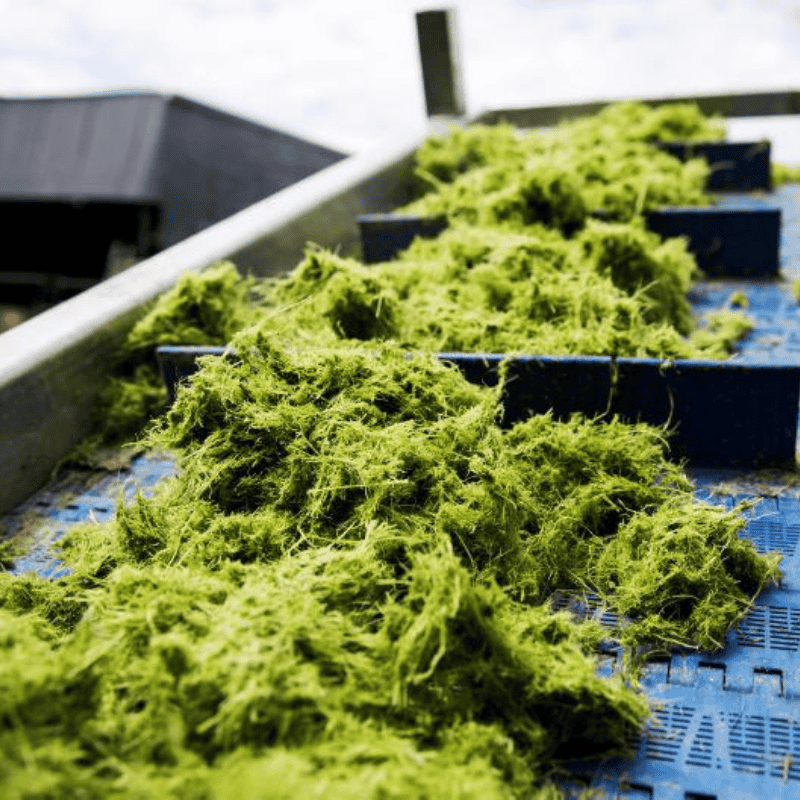
Improving Forage Quality
Higher-digestibility silage improves feed conversion. Cows produce more milk per kilo of methane.
See how it works →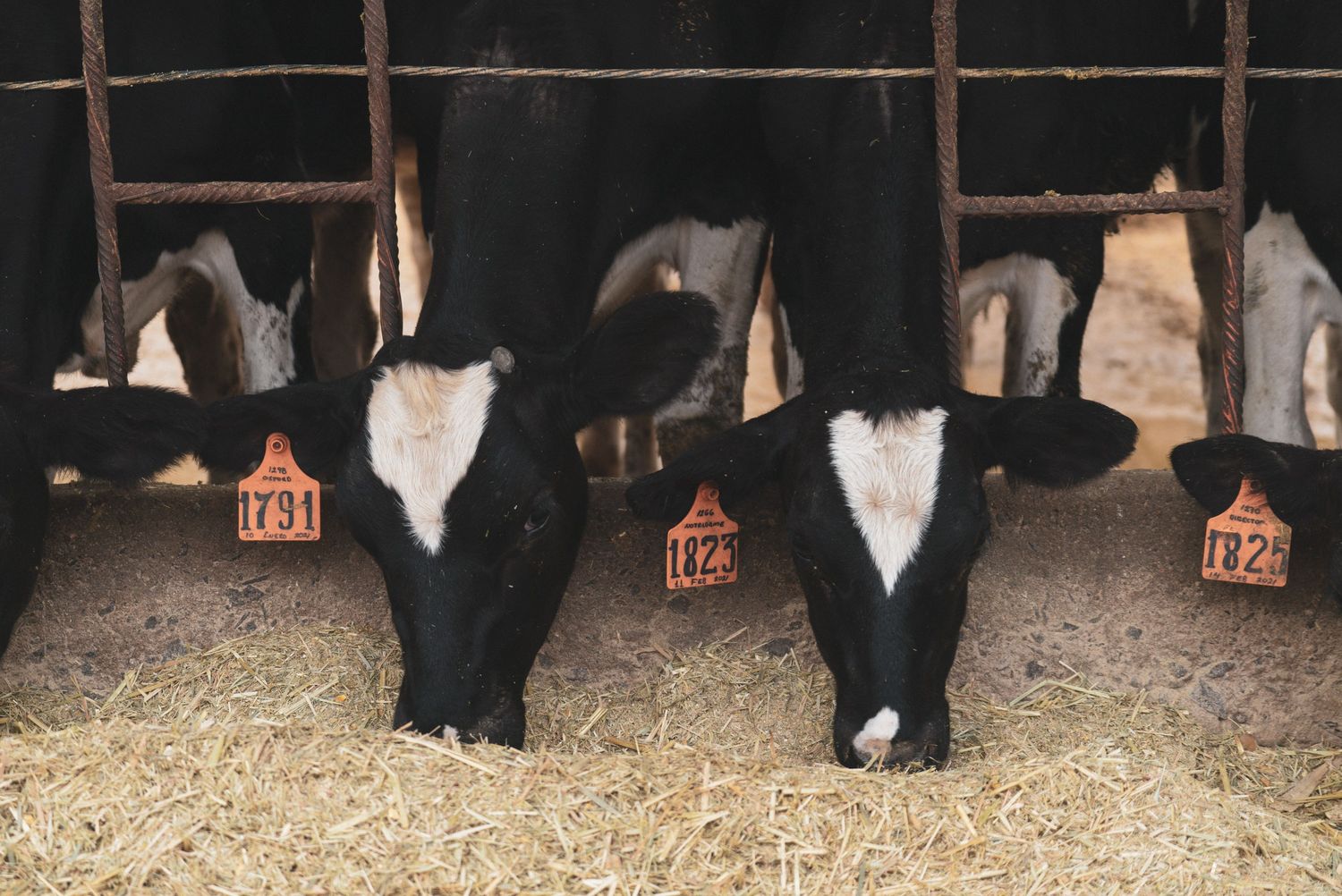
Local Feed Sourcing / Native Diet
Sourcing feed ingredients close to the farm cuts the emissions embedded in transport, without changing what's in the ration.
See how it works →
Reduced Replacement Rate
Better cow longevity and fertility mean fewer heifers reared each year. Less feed, less manure, lower emissions, same milk from the herd that stays.
See how it works →