
Forage & Pasture Management
Rotational Grazing
Rotational grazing improves how effectively grazed grass is used, letting the farm replace purchased feed with grass or home-produced silage instead.
See the cost breakdown →01 · Context
How It Works
Rotational grazing moves stock more frequently between paddocks, guided by measuring grass covers. Each paddock is grazed for a short spell, then rested while it regrows, so cows go in when the grass is leafy and more digestible, rather than too early or once it has turned stemmy.
Less grass is wasted, so the same grazing platform delivers more usable feed. Grazed grass or home-produced silage can then replace purchased concentrates, without changing the herd's total diet.
Rotational grazing changes where the feed comes from, not how much the herd eats.
02 · Emissions
Impact On Emissions
Replacing purchased feed with grazed grass or silage lowers the upstream emissions embedded in bought-in feed. Depending on how the diet changes, it can also modestly shift enteric fermentation emissions.
The reduction scales with how much purchased feed is displaced.
Your specific reduction, based on your current feed mix and grazing infrastructure, is modelled precisely for your farm in the ODOS Tech platform.
03 · Production
Impact On Production
Production is maintained, provided grass or silage quality is sufficient to replace the feed value being displaced.
This strategy is about feed substitution, not feed reduction, so output shouldn't fall if the replacement is nutritionally adequate.
Same diet for the herd, sourced more from the farm's own grass.
Production Snapshot
Based on grazing farms with sufficient grass quality
Production maintained
provided grass and silage quality are sufficient
04 · Costs
Cost & Economics
No upfront cost, with feed savings likely.
The main economic effect is a saving on purchased feed, calculated from the value of the feed replaced by grass or silage. There's no capital cost, though better grazing management may involve investment in paddock infrastructure, such as fencing and water points, over time.
How much you save depends on how much bought-in feed your grass can replace. This is exactly the kind of comparison ODOS Tech runs against your own feed costs.
See how it's modelled →- Saving based on the value of purchased feed replaced
- No product cost and no capital investment required
- Fencing and water points may be added over time
- Share of feed replaced set per farm, not assumed at a fixed rate
05 · Fit
Where This Works Best
Strong fit
- Grazing farms with the infrastructure, or the willingness to build it, to manage grass more intensively
- Farms where grass growth is reliable enough to displace a meaningful share of concentrate feed
Less suited
- Farms already grazing efficiently, with limited room to improve utilisation
- Farms with limited grazing area relative to herd size
06 · Model
How We Model This
The proportion of purchased feed replaced by grass or silage is set per farm. The model adjusts the herd's diet accordingly and recalculates the associated emissions.
FAQ
Preguntas frecuentes
What is rotational grazing? +
A grazing management approach that moves stock between paddocks more frequently, based on grass measurement, to make better use of grazed grass and reduce reliance on bought-in feed.
Does this reduce milk production? +
No, provided grass and silage quality are sufficient to replace the concentrate feed being displaced.
Does rotational grazing require new infrastructure? +
It can benefit from paddock divisions and additional water points, though the strategy itself is a management practice rather than a capital investment.
How much feed can be replaced this way? +
This depends on your grazing platform's capacity and current utilisation. It's set per farm rather than assumed at a fixed rate.
Does this work well alongside other pasture strategies? +
Yes, it pairs naturally with strategies like extending the grazing season or improving sward composition, since all three aim to get more value from grazed grass.
More Like This
Related Strategies
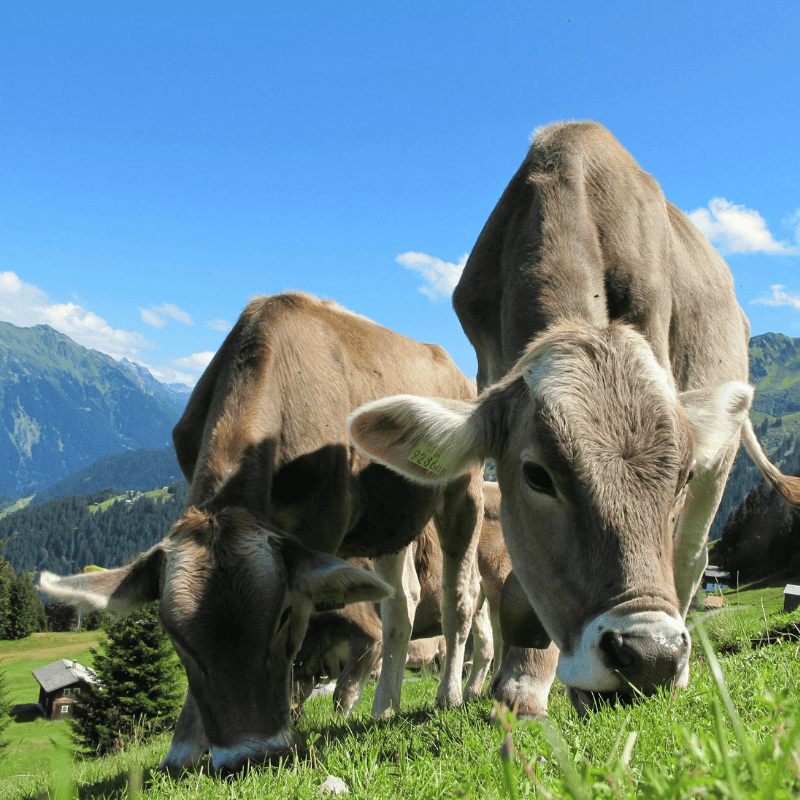
Extending Grazing Season
A complementary strategy that lengthens the grazing calendar itself.
See how it works →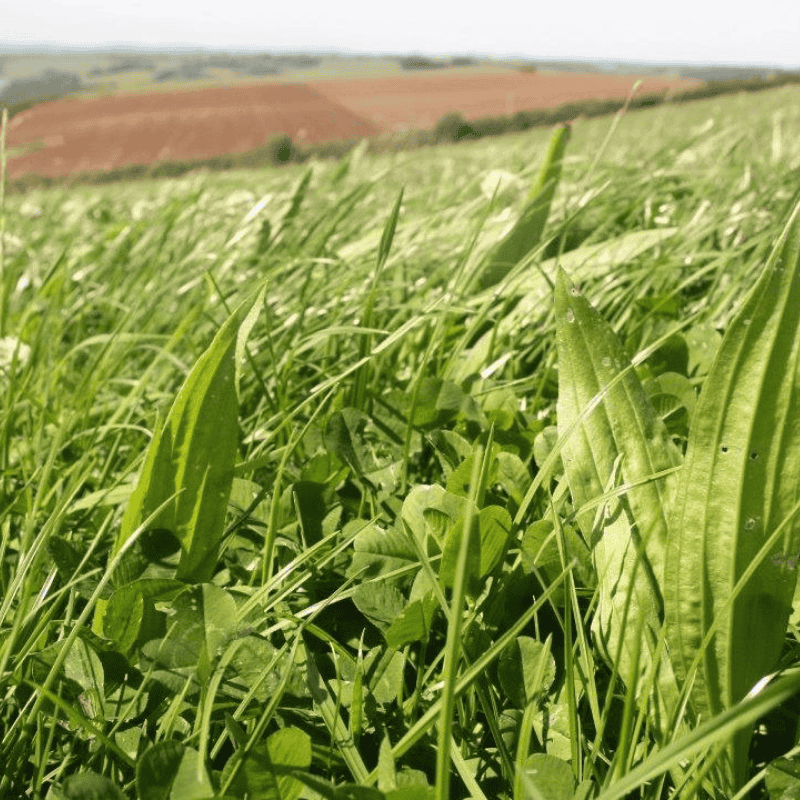
Multispecies Swards
Improves what's actually growing in the paddock.
See how it works →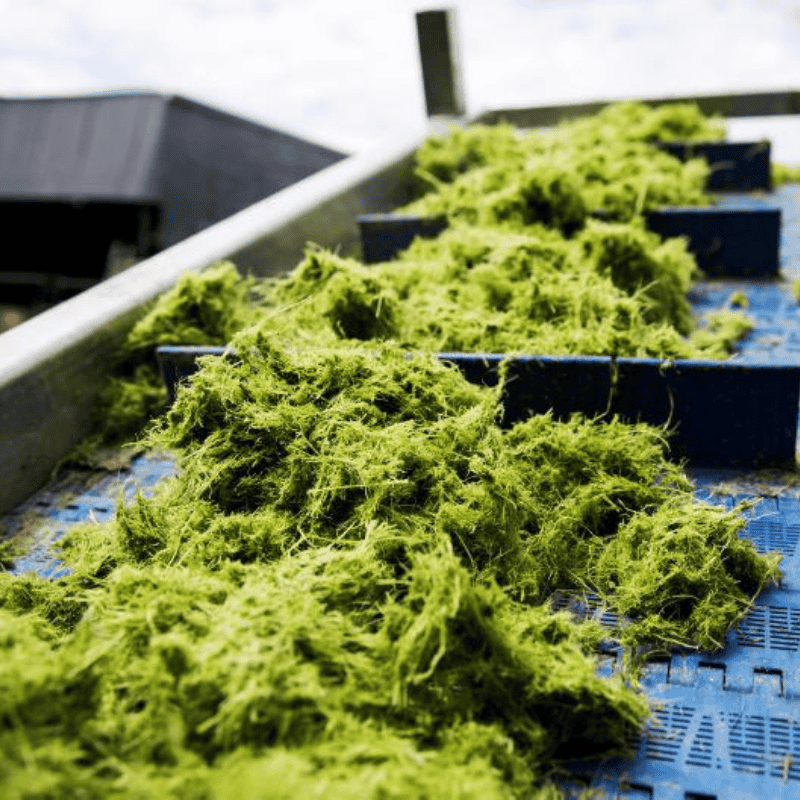
Improving Forage Quality
A feed-side lever that works alongside better grazing utilisation.
See how it works →