
Nutrition & Fertiliser Management
Low Emission Fertiliser
Low emission fertiliser replaces conventional nitrogen products across the whole fertiliser programme with a low-carbon, urea-free alternative, on a like-for-like nitrogen basis.
See the products we model →01 · Context
How It Works
This strategy replaces every eligible fertiliser in the farm's nitrogen programme with a selected low-emission product.
The swap is made nitrogen for nitrogen. One kilogram of nitrogen from the conventional fertiliser is replaced by one kilogram of nitrogen from the low-emission product, so the nitrogen delivered to the field stays the same while the product itself changes.
The lever is the product in the bag, not the amount of nitrogen applied.
02 · Emissions
Impact On Emissions
Production emissions drop because the low-carbon product's manufacturing footprint replaces the conventional one. Since none of the eligible low-emission products contain urea, urea-related CO₂ emissions from the fertiliser programme go to zero.
Field nitrous oxide emissions still apply, based on the product's nitrogen content and type. The saving comes from how the fertiliser is made and what it contains, not from applying less nitrogen.
Your specific reduction, based on which fertilisers in your current programme are eligible and how much of your nitrogen use is switched, is modelled precisely for your farm in the ODOS Tech platform.
03 · Production
Impact On Production
There's no impact on production. Because the switch preserves the nitrogen delivered to the field, agronomic performance is maintained.
Some products in this category also include a nitrification inhibitor and a biostimulant for further benefit.
The case for this strategy rests on the emissions saving, not a change in yield.
Production Snapshot
Based on a like-for-like nitrogen switch
No production trade-off
the same nitrogen reaches the field
04 · Costs
Cost & Economics
A price premium, not a capital investment.
Low-emission fertilisers typically carry a price premium over conventional equivalents. Net cost is that premium applied to the volume of nitrogen switched, and pricing can vary by scale, region, and any negotiated discount.
There's no capital investment involved. This is exactly the kind of comparison ODOS Tech runs against your own fertiliser programme.
See how it's modelled →- Price premium over conventional nitrogen equivalents
- Net cost scales with the volume of nitrogen switched
- Pricing varies by scale, region, and negotiated discount
- No capital investment required
05 · Fit
Where This Works Best
Strong fit
- Farms currently applying urea, protected urea, or CAN
- Farms using ammonium sulphate or ammonium-nitrate-based fertilisers
- Farms looking for one broad lever across the whole eligible nitrogen programme
Less suited
- Programmes built mainly on NPK blends, phosphorus products, or potash, which aren't affected by this switch
- Farms aiming to cut the total nitrogen applied, since this switch keeps nitrogen the same
06 · Products
Products We Model
Fertiberia's Impact Zero range is a set of low-carbon, urea-free nitrogen fertilisers available for this strategy. It includes standard products and a Nergetic Complete range, which adds a nitrification inhibitor and a biostimulant to the low-carbon, urea-free base.
Book a demo →Rather than recommend a single product, ODOS Tech models the available options against your own fertiliser programme, so you can see the reduction and cost each one would deliver on your farm specifically.
07 · Model
How We Model This
Every eligible fertiliser across the farm's plan is identified automatically and switched to the selected low-emission product. Product mass is recalculated so the total nitrogen delivered stays constant.
FAQ
Preguntas frecuentes
Which fertilisers can be replaced by this strategy? +
Urea, protected urea, CAN, ammonium sulphate, and ammonium-nitrate-based products. Other types, such as NPK blends or potash, aren't eligible.
Does switching fertiliser change how much nitrogen reaches the field? +
No, the switch is made on a nitrogen basis, so the same amount of nitrogen is delivered, just through a different product.
Is low emission fertiliser more expensive? +
Typically yes. It carries a price premium over conventional equivalents, though this can be reduced through a negotiated volume discount.
Does this affect yield? +
No. Since the nitrogen delivered to the crop stays the same, agronomic performance is maintained.
What's the difference between the standard and Nergetic Complete products? +
The Nergetic Complete range adds a nitrification inhibitor and a biostimulant on top of the low-carbon, urea-free base, for farms wanting the additional benefit.
More Like This
Related Strategies

Protected Urea
A narrower swap, replacing conventional urea with an inhibitor-treated version.
See how it works →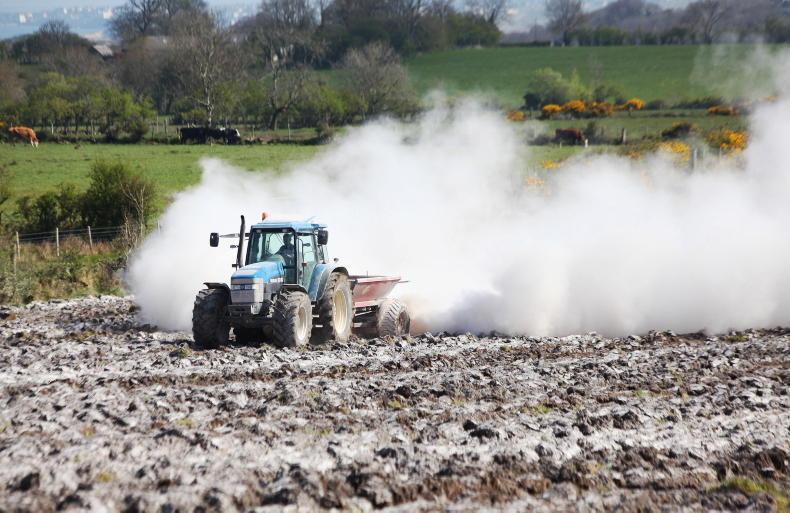
Liming
A complementary lever that improves nitrogen use efficiency on the same ground.
See how it works →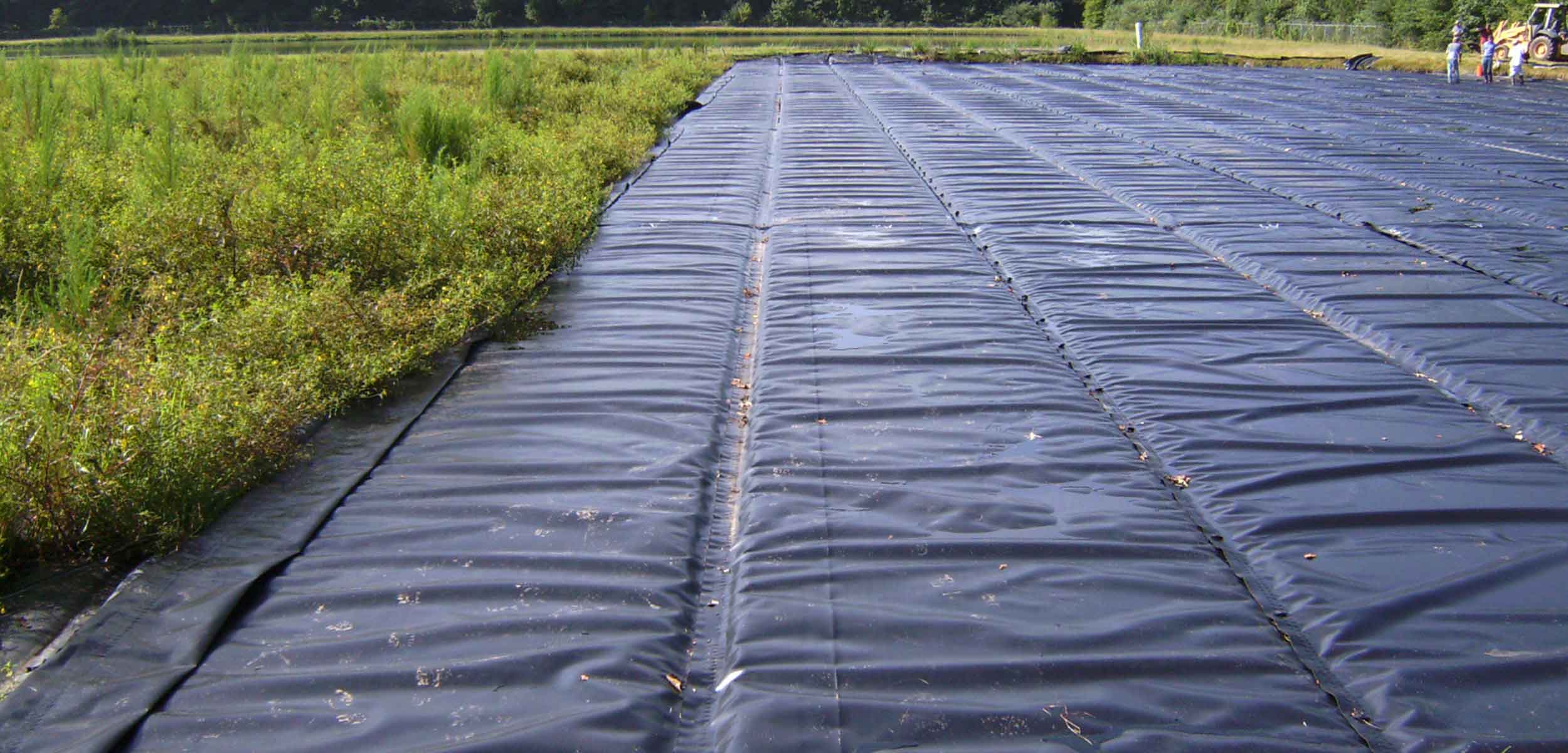
Slurry Additives
Another product-based lever, applied on the manure side instead.
See how it works →