
Manure & Slurry Management
Rapid Removal Of Manure From Housing
Rapid removal of manure from housing means scraping or flushing manure out of buildings frequently, cutting the time it spends producing methane indoors.
See the cost breakdown →01 · Context
How It Works
Manure left inside a warm, enclosed building breaks down in low-oxygen conditions, producing methane and ammonia.
This strategy removes manure rapidly and frequently, through daily scraping or flushing, so it spends as little time as possible in those conditions before it leaves the building.
The lever is how quickly manure leaves the building, not how much is produced.
02 · Emissions
Impact On Emissions
Methane and ammonia form as manure breaks down in warm, low-oxygen housing. Removing it daily cuts the time available for that to happen.
Rapidly removed manure is treated as equivalent to manure deposited on pasture, which carries significantly lower emission factors than manure left to accumulate indoors. The reduction applies to the manure removed this way.
Your specific reduction, based on your housing system and current removal frequency, is modelled precisely for your farm in the ODOS Tech platform.
03 · Production
Impact On Production
There's no negative production impact. The change is to how manure is handled, not to how the herd is fed or managed.
More frequent manure removal can also improve housing air quality and general animal comfort.
The emissions benefit comes with no production trade-off.
Production Snapshot
Based on housed systems moving to daily removal
No negative production impact
a manure-handling change, not a feeding change
04 · Costs
Cost & Economics
No product to buy. The cost is labour and equipment.
Costs relate to the labour and equipment needed for more frequent removal, whether through scraper systems or flushing infrastructure. Some housing already has this in place; others would need investment to remove manure this often.
There may be an offsetting saving from improved animal health and housing conditions, though this isn't counted as a direct economic return.
See how it's modelled →- Labour for more frequent scraping or flushing
- Scraper or flushing equipment, where not already installed
- No product to buy
- Possible animal-health benefit, not counted as a direct return
05 · Fit
Where This Works Best
Strong fit
- Housed systems already equipped with scraping or flushing, or able to install it
- Farms where manure can realistically be removed every day
- Farms with a significant share of the year spent housed
Less suited
- Farms where cows spend most of the year grazing, with little time housed
- Farms unable to add the labour or equipment needed for daily removal
06 · Model
How We Model This
The model applies pasture-equivalent emission factors to the manure removed under this practice, reflecting the outdoor-equivalent management that rapid removal achieves.
FAQ
Frequently Asked Questions
How does this reduce emissions if manure is still produced? +
The reduction comes from how quickly manure leaves the warm, enclosed conditions inside the building, not from producing less of it. Faster removal means less time for methane and ammonia to form indoors.
What counts as rapid removal? +
Daily scraping or flushing of housing, so manure spends minimal time accumulating under low-oxygen conditions before reaching outdoor storage.
Does this affect animal health or welfare? +
It can improve housing conditions, since more frequent removal typically improves air quality where animals are kept.
Is new infrastructure needed? +
It depends on your current setup. Some systems already have scraping or flushing infrastructure; others would need investment to remove manure this frequently.
Does this work alongside slurry storage strategies? +
Yes. This strategy reduces emissions before slurry reaches storage, so it stacks with strategies that reduce emissions during storage, such as slurry additives or covers, without double counting.
More Like This
Related Strategies
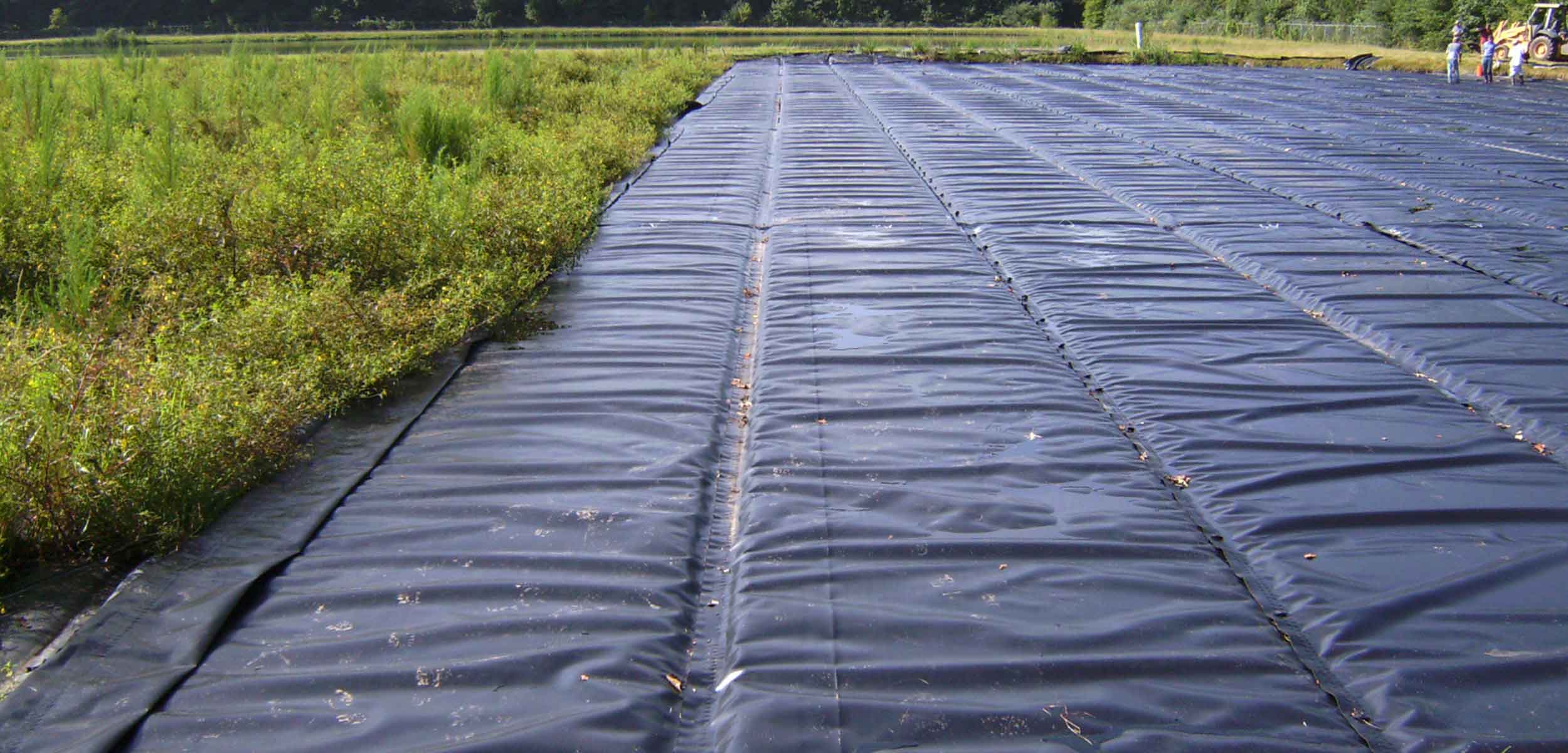
Slurry Additives
A complementary lever that acts once manure reaches storage.
See how it works →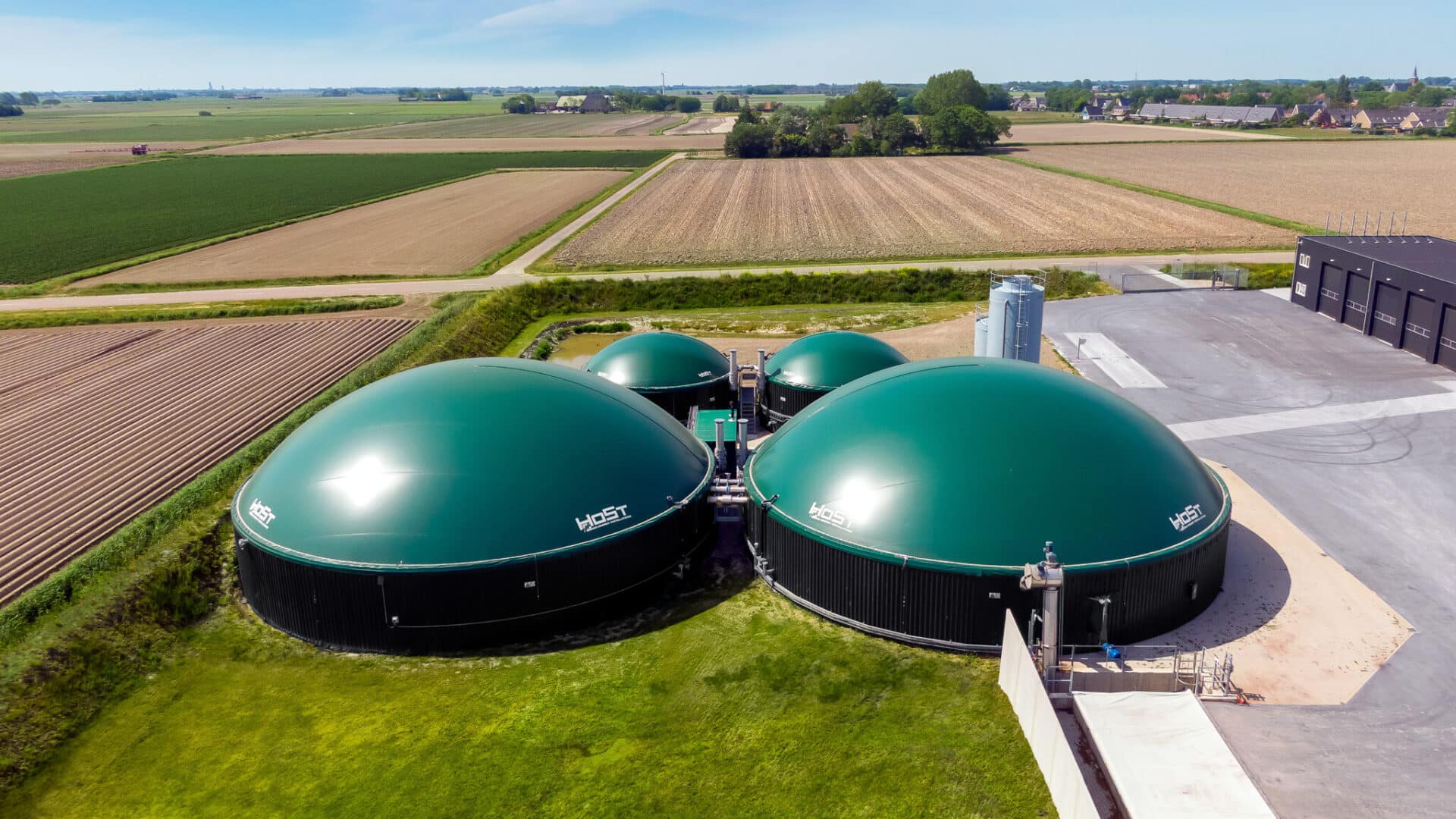
Anaerobic Digestion
For farms wanting to capture methane from stored slurry as well.
See how it works →
Reduced Replacement Rate
Another non-feed strategy worth pairing in a multi-strategy plan.
See how it works →