
Manure & Slurry Management
Slurry Additives
Chemical additives mixed into stored slurry that cut methane and ammonia emissions during storage, keeping more nitrogen in the slurry for spreading.
See the products we model →01 · Context
How It Works
Stored slurry releases methane and ammonia into the air. Methane is a greenhouse gas in its own right, and every bit of ammonia lost is nitrogen that no longer reaches the field.
A slurry additive is a chemical treatment added to the slurry during storage. It substantially reduces both gases, so more of the slurry's nitrogen is still there when it's spread, and that nitrogen can replace some synthetic fertiliser.
The farm chooses how much of its slurry to treat. The effect applies to the treated share.
02 · Emissions
Impact On Emissions
Slurry additives substantially reduce methane released from slurry during storage, for the share of slurry treated. They also cut ammonia losses from the same slurry.
The nitrogen kept in the slurry can replace some chemical fertiliser. Less fertiliser applied means lower nitrous oxide emissions from the soil, so the benefit carries through from storage to the field.
Your specific reduction, based on the product used and the share of slurry you treat, is modelled precisely for your farm in the ODOS Tech platform.
03 · Production
Impact On Production
Slurry additives have no negative impact on production. They're applied to stored slurry, not to the herd's diet.
Because more nitrogen is retained, the treated slurry is a more valuable fertiliser when it goes back on the land.
The emissions benefit and the fertiliser value come from the same treatment.
Production Snapshot
Based on farms treating stored slurry
No negative production impact
the treatment works on stored slurry, not the herd
04 · Costs
Cost & Economics
A running cost, partly offset by fertiliser savings.
Additives are priced by the amount of slurry treated, either its volume or its nitrogen content, depending on the product. The more slurry you treat, the higher the cost.
Against that, the nitrogen retained in the slurry reduces the chemical fertiliser you need to buy. The balance between the two is exactly the kind of comparison ODOS Tech runs against your own fertiliser prices.
See how it's modelled →- Priced by slurry volume or its nitrogen content, depending on the product
- Cost scales with the share of slurry you choose to treat
- Partly offset by the fertiliser the retained nitrogen replaces
- Savings valued at your own fertiliser prices, not a fixed rate
05 · Fit
Where This Works Best
Strong fit
- Farms that store slurry in tanks, pits or lagoons
- Farms that spread slurry and buy chemical nitrogen fertiliser
Less suited
- Farms where most manure is deposited directly on pasture
- Farms with little slurry held in storage
06 · Products
Products We Model
Several chemical slurry additives are available commercially today, including Eminex and Glasport Bio. They differ in how much methane and ammonia they cut, how they're dosed, and how they're priced, some by the volume of slurry treated, others by its nitrogen content.
Book a demo →Rather than recommend one product over another, ODOS Tech models each against your own slurry and fertiliser data, so you can see the reduction, cost, and fertiliser saving each one would deliver on your farm specifically.
07 · Model
How We Model This
The share of slurry to be treated is set per farm. Methane and ammonia emissions are reduced for that share, and the nitrogen saved is used to offset chemical fertiliser.
FAQ
Frequently Asked Questions
How do slurry additives reduce emissions? +
They're mixed into slurry during storage and substantially reduce the methane and ammonia it releases. The nitrogen retained can then replace some chemical fertiliser.
Do slurry additives affect milk production? +
No. They're applied to stored slurry, not the herd's diet, so there's no negative production impact.
Do I need to treat all of my slurry? +
No. The share of slurry treated is set per farm, and both the emissions reduction and the cost scale with it.
Can slurry additives reduce fertiliser costs? +
Yes. Less ammonia lost means more nitrogen in the slurry, which offsets chemical fertiliser valued at your own prices.
Which slurry additive should I use? +
Products differ in their methane and ammonia reductions, dose and pricing. ODOS Tech models each against your own farm data rather than recommending one.
Can slurry additives be combined with other strategies? +
Yes. They target emissions from slurry storage, so they can sit alongside strategies aimed at other sources, such as enteric methane or fertiliser use.
More Like This
Related Strategies
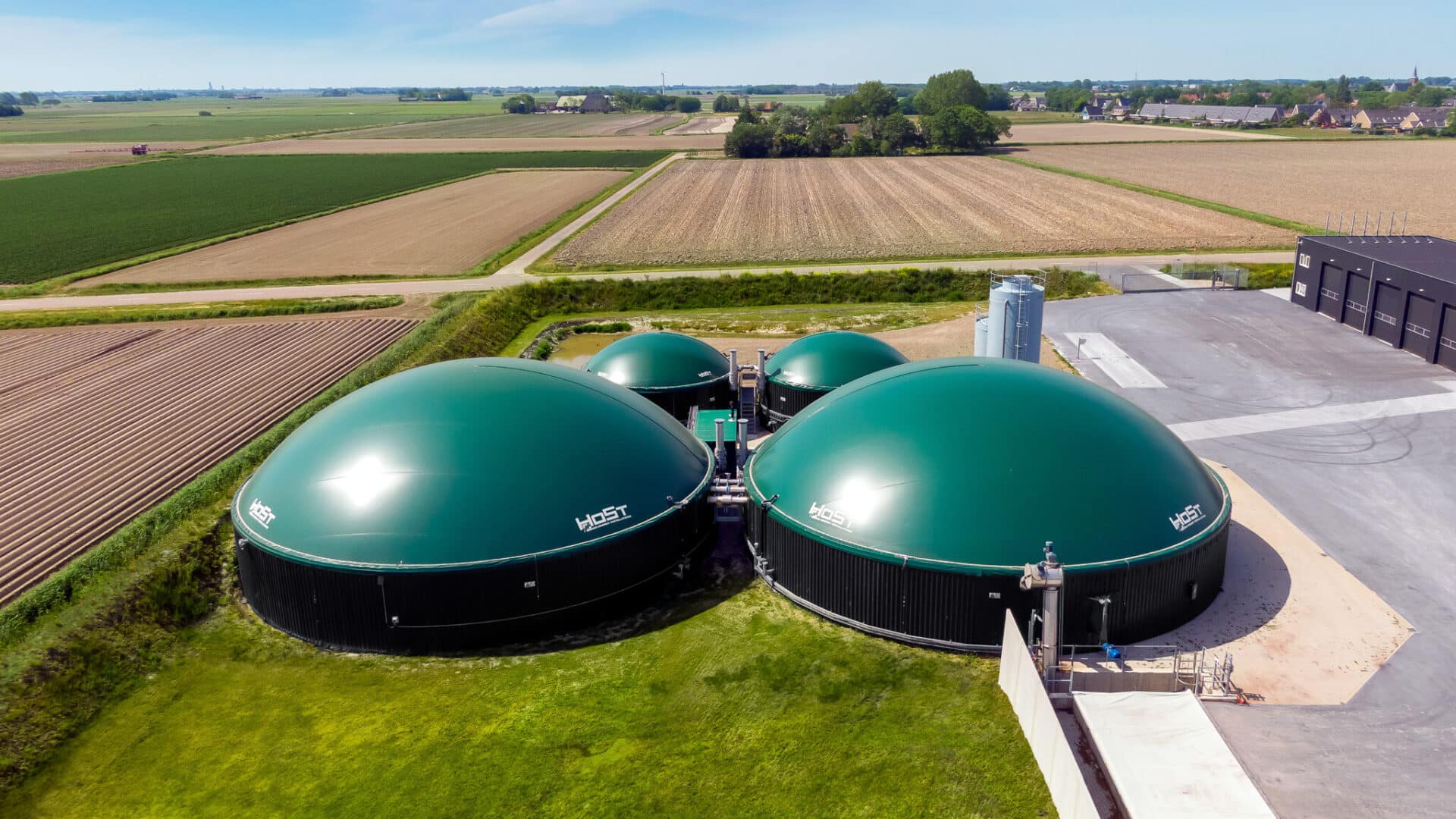
Anaerobic Digestion
Captures slurry methane as biogas instead of releasing it.
See how it works →
Protected Urea
Cuts nitrogen losses on the fertiliser side of the plan.
See how it works →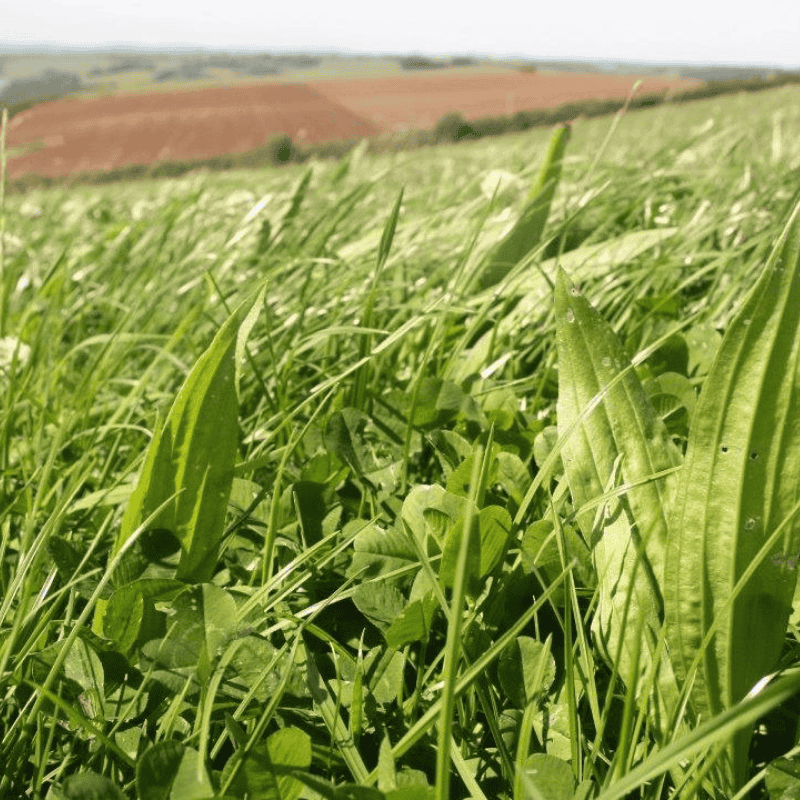
Multispecies Swards
Lowers the synthetic nitrogen the grazing platform needs.
See how it works →