
Nutrition & Fertiliser Management
Liming
Liming raises soil pH so nitrogen is used more efficiently by the crop, allowing less synthetic nitrogen to be applied for the same result.
See the cost breakdown →01 · Context
How It Works
Applying lime to acidic soil raises its pH, which improves how effectively plants take up available nitrogen. Because less nitrogen is wasted, farms can apply less synthetic fertiliser while achieving the same nutrient uptake.
Lime is typically calcium carbonate or a similar product. By correcting soil acidity, it improves nutrient availability and nutrient use efficiency, so the nitrogen already being applied goes further.
Liming doesn't supply nitrogen itself. It helps the crop make better use of the nitrogen already there.
02 · Emissions
Impact On Emissions
Lime application generates its own CO₂ emissions as the calcium carbonate breaks down. Against that, the improved nutrient uptake enables a reduction in synthetic nitrogen use, which lowers direct soil nitrous oxide emissions.
The net effect depends on the balance between the lime's own emissions and the fertiliser reduction it enables, and is typically a net reduction once the fertiliser saving is counted.
Your specific net reduction, based on the lime applied and the fertiliser saving it enables, is modelled precisely for your farm in the ODOS Tech platform.
03 · Production
Impact On Production
Liming improves soil fertility and nutrient uptake, so yields are typically maintained or improved even with a reduction in fertiliser input.
No negative production impact is expected, which makes liming a low-risk first step before cutting synthetic nitrogen.
Yields are maintained or improved, with less synthetic nitrogen applied.
Production Snapshot
Based on farms liming acidic soils
No negative production impact
expected from liming acidic soils
04 · Costs
Cost & Economics
A cost, offset by fertiliser savings.
Costs cover the purchase and application of lime. Its effect lasts over several years, so the cost is spread across that effective period rather than counted all at once. Savings come from the reduced synthetic nitrogen purchases that liming enables.
Whether liming pays back depends on the lime cost and the going rate for the fertiliser it replaces. This is exactly the kind of comparison ODOS Tech runs against your own fertiliser costs.
See how it's modelled →- Cost covers the purchase and application of lime
- Spread across the lime's effective period, not a single year
- Offset by reduced synthetic nitrogen purchases
- Fertiliser saving set per farm, not assumed at a fixed rate
05 · Fit
Where This Works Best
Strong fit
- Farms with acidic soils where a pH test shows room for improvement
- Farms using liming as a foundation step before reducing synthetic fertiliser
Less suited
- Soils already at an optimal pH, with limited room for further improvement
- Farms looking for a standalone emissions lever without a fertiliser reduction
06 · Model
How We Model This
The lime's emissions are annualised over its effective period, for example applying 20 tonnes over five years counts as four tonnes per year. The farm's expected fertiliser reduction from the improved pH is applied, and net emissions are recalculated from the balance of the two.
FAQ
Frequently Asked Questions
Does liming reduce emissions on its own? +
The lime application itself creates emissions. The net reduction comes from the fertiliser saving that improved soil pH allows, which typically outweighs the lime's own footprint.
How often does lime need to be applied? +
Every few years rather than annually, so its cost and emissions are spread across that period rather than counted all at once.
Does liming affect yield? +
No negative effect. Improved nutrient uptake tends to maintain or improve yields, even with reduced fertiliser use.
How much fertiliser can liming actually save? +
This depends on how acidic your soil currently is and how much room there is to improve pH. It's set per farm rather than assumed at a fixed rate.
Does liming suit every soil type? +
It's most effective on soils that are currently acidic. Soils already at an optimal pH will see limited additional benefit.
More Like This
Related Strategies

Protected Urea
Another simple fertiliser-side lever with no change to farm operations.
See how it works →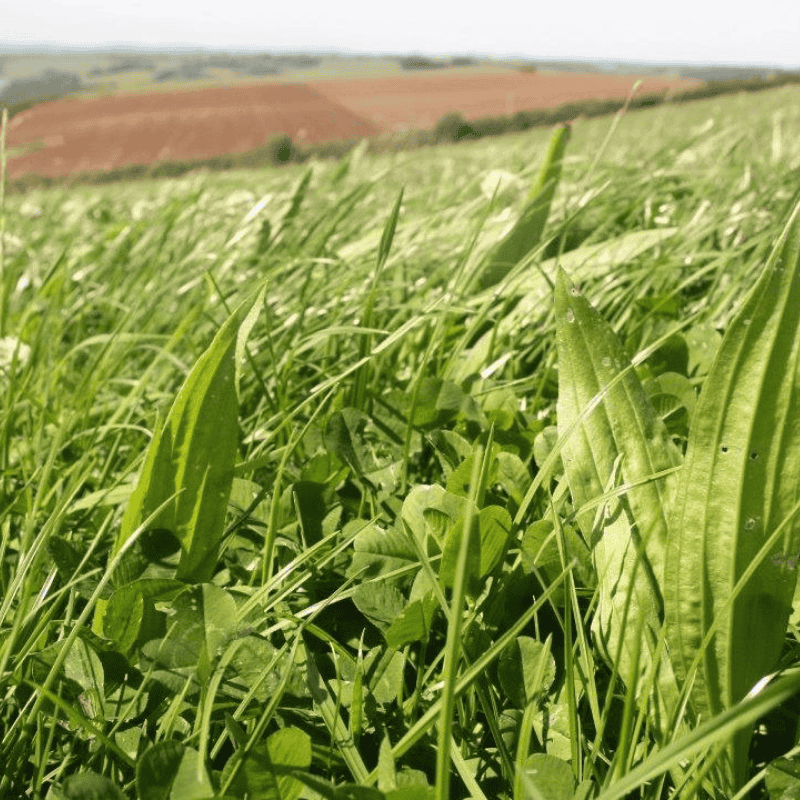
Multispecies Swards
Reduces the nitrogen requirement itself.
See how it works →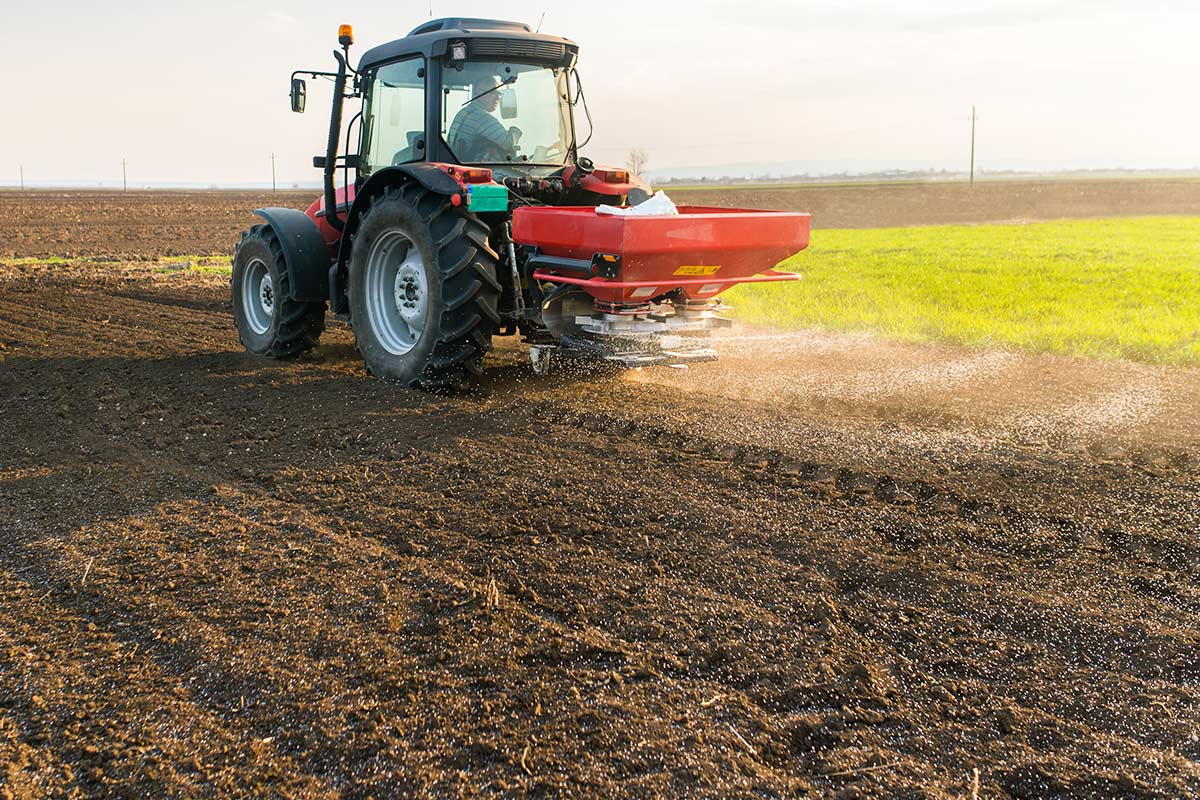
Low Emission Fertiliser
For a wider swap across the whole nitrogen programme.
See how it works →