
Animal Health & Breeding
Reduced
Replacement Rate
Reducing the replacement rate means rearing fewer young stock, by improving cow longevity, health, and fertility, so the herd carries fewer non-productive animals.
See the cost breakdown →01 · Context
How It Works
The replacement rate is the share of the milking herd replaced each year, typically due to age, fertility, or health issues. Every replacement means rearing a heifer calf through to her first calving, roughly two years of feed, housing, and care during which she produces no milk at all.
Lowering the replacement rate doesn't add cows to the milking herd. It means each cow already in it stays productive for longer, through better health, fertility, and longevity management. Because cows leave the herd less often, fewer replacement heifers need to be reared behind it to keep the herd at the same size.
The milking herd stays the same size. What shrinks is the pipeline of non-productive young stock supporting it.
02 · Emissions
Impact On Emissions
Fewer heifers and calves means lower total enteric methane, lower manure-related emissions, and reduced feed-related upstream emissions, since there are fewer non-productive animals consuming feed and generating emissions.
Because the reduction touches every emission source at once, rather than one part of the farm, it's often modelled alongside more targeted strategies to see which combination delivers the best result for the smallest production trade-off.
Your specific reduction, based on your current replacement rate and the improvement achievable, is modelled precisely for your farm in the ODOS Tech platform.
03 · Production
Impact On Production
Milk production from the existing lactating herd is maintained. The productive capacity of the farm doesn't change, only the number of young animals being reared behind it.
Because this strategy works through longevity, health, and fertility rather than the milking herd itself, there's no revenue trade-off to weigh against the feed saving it delivers.
The milking herd and its production are maintained; only the number of young stock reared changes.
Production Snapshot
Based on farms lowering their replacement rate
No revenue trade-off
since the milking herd is untouched
04 · Costs
Cost & Economics
A saving, not a spend.
The saving comes from reduced feed consumption for the heifers and calves no longer being reared. Since the milking herd is untouched, there's no revenue trade-off to weigh against this saving.
This makes it one of the more straightforward levers in the toolbox: it lowers cost and emissions together, without asking anything of the milking herd.
See how it's modelled →- Saving comes from reduced feed consumption for heifers and calves no longer reared
- No revenue trade-off, since the milking herd is untouched
- No product or infrastructure cost involved
- Based on the full feed consumption of the young stock removed
05 · Fit
Where This Works Best
Strong fit
- Farms with scope to improve cow fertility and health
- Farms open to herd management improvements rather than a single operational change
Less suited
- Farms already achieving strong cow longevity, health, and fertility, with little further room to improve
06 · Model
How We Model This
Replacement rate reduction is applied proportionally to both heifers and calves. Feed savings are based on the full feed consumption of the animals removed from the young stock population.
FAQ
Frequently Asked Questions
Does this affect the size of the milking herd? +
No, the milking herd and its production are maintained. Only the number of young stock reared changes.
How is a lower replacement rate achieved? +
Through improvements in cow longevity, health, and fertility, keeping more cows productive for longer rather than needing early replacements.
What emissions does this reduce? +
Enteric methane, manure emissions, and feed-related emissions from the heifers and calves no longer needed.
Is there any cost to this strategy? +
No direct cost. The main change is a feed saving from rearing fewer young stock.
Does this work alongside herd size reduction strategies? +
Yes, though they act differently. This strategy reduces non-productive animals through longevity, while herd size reduction cuts the productive herd itself.
More Like This
Related Strategies
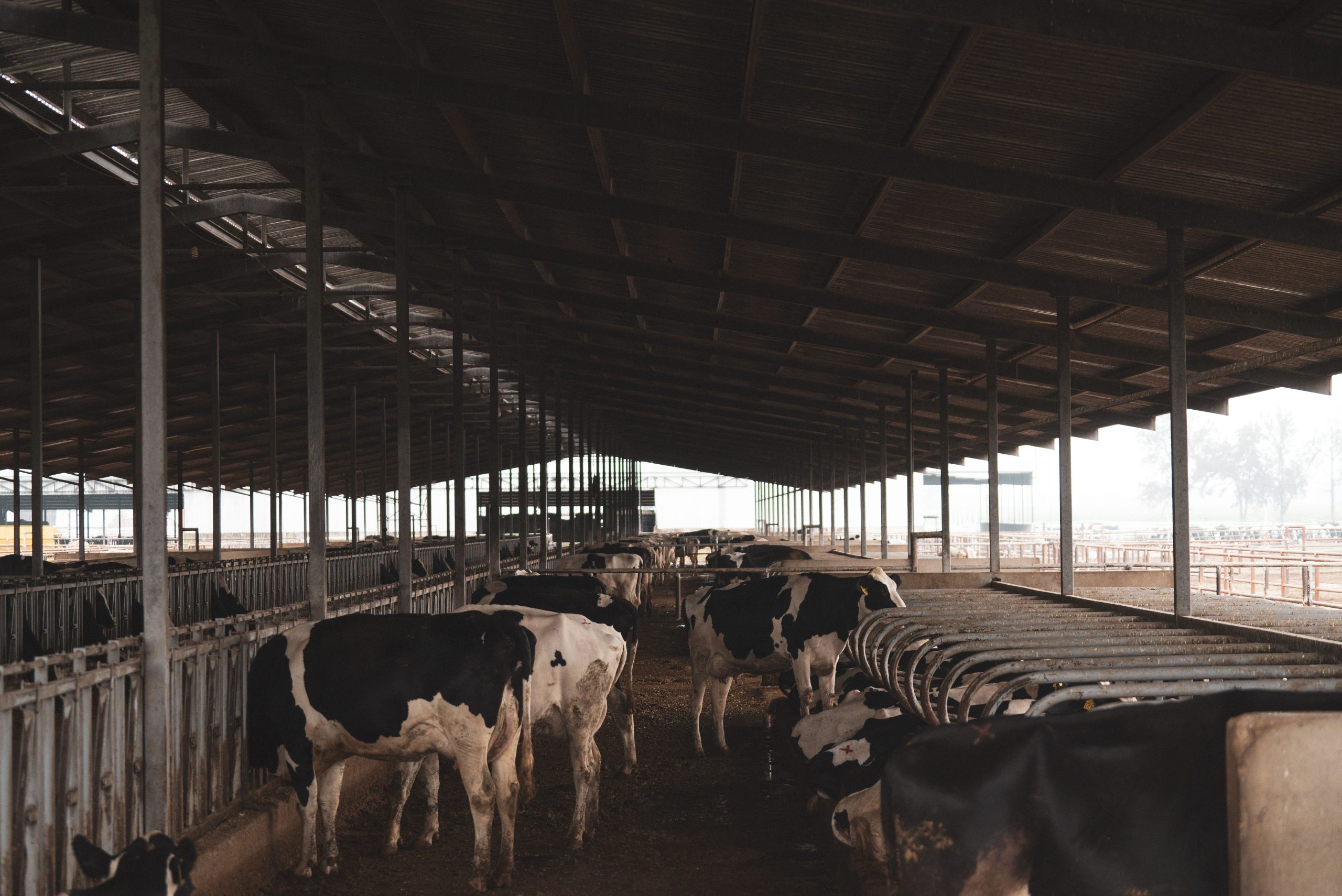
Reduce Cow Population
A more direct lever on total herd size and emissions.
See how it works →
Extending Grazing Season
A complementary lever that lowers cost without touching herd size.
See how it works →
Rotational Grazing
Improves feed efficiency alongside a leaner young stock pipeline.
See how it works →