
Forage & Pasture Management
Extending
Grazing Season
Extending the grazing season keeps cows outdoors on pasture for more of the year, cutting the time manure spends stored in tanks.
See the cost breakdown →01 · Context
How It Works
When cows are housed, their manure is collected and stored in tanks or pits, where it produces more methane than manure deposited directly on pasture.
Extending the grazing season shifts more of that manure onto the field as the cow grazes, changing the balance between the two. It also reduces the number of days the herd relies on stored feed such as silage, since more of the diet comes directly from grazed grass.
Manure spread thinly on pasture breaks down aerobically, in the open air, producing far less methane than manure held in tank storage.
02 · Emissions
Impact On Emissions
More grazing days mean less manure stored in tanks, where methane emissions are highest, and more manure deposited directly on pasture, where emission factors are lower.
The size of the reduction depends on how many additional grazing days are added and how much housed manure storage that displaces.
Your specific reduction, based on your current grazing calendar and housing system, is modelled precisely for your farm in the ODOS Tech platform.
03 · Production
Impact On Production
Production should be maintained provided pasture quality and grass availability are sufficient to replace the stored feed being displaced. The strategy can also reduce the need for conserved feed such as silage and concentrates.
This depends on pasture conditions, so it's worth checking grass availability against your grazing plan before extending the season.
Production Snapshot
Based on farms extending their grazing season
*Conditional on pasture quality
and grass availability replacing displaced feed
04 · Costs
Cost & Economics
No capital cost, just a feed bill it doesn't have to pay.
There is no capital cost to this strategy. The main economic effect is a saving on feed, calculated from the daily feed cost avoided for every additional day spent grazing instead of housed.
The scale of the saving depends on how many extra grazing days are achievable and the cost of the feed being displaced.
See how it's modelled →- No capital investment required to extend the grazing season
- Savings calculated from the daily feed cost avoided per extra grazing day
- Scale of saving depends on how many extra grazing days are achievable
- Depends on the cost of the feed being displaced, such as silage and concentrates
05 · Fit
Where This Works Best
Strong fit
- Farms with free draining land that supports grazing earlier in spring and later into autumn without damaging the pasture
- Seasonal calving systems already built around a grazing-based year
Less suited
- Heavier, wetter soils, where extending the season too far into wet periods risks damaging the ground
06 · Model
How We Model This
The proportion of manure deposited on pasture versus managed in housing is recalculated based on the additional grazing days entered, using the corresponding IPCC emission factors for each management type.
FAQ
Frequently Asked Questions
Does extending the grazing season reduce methane emissions? +
Yes, since more manure is deposited directly on pasture instead of stored in tanks, where emissions are higher.
How many extra grazing days are needed to see a difference? +
Even a modest extension shifts the manure management balance. Your specific reduction depends on your current grazing calendar and is modelled in the platform.
Does extending grazing affect milk production? +
Production should be maintained as long as pasture quality is sufficient to replace the stored feed being displaced.
Is extending the grazing season suitable for all soil types? +
It suits free draining land best. Heavier, wetter soils are more prone to damage if grazing is extended too far into wet periods.
Does this strategy reduce feed costs? +
Yes, since fewer days rely on stored feed such as silage and concentrates.
More Like This
Related Strategies
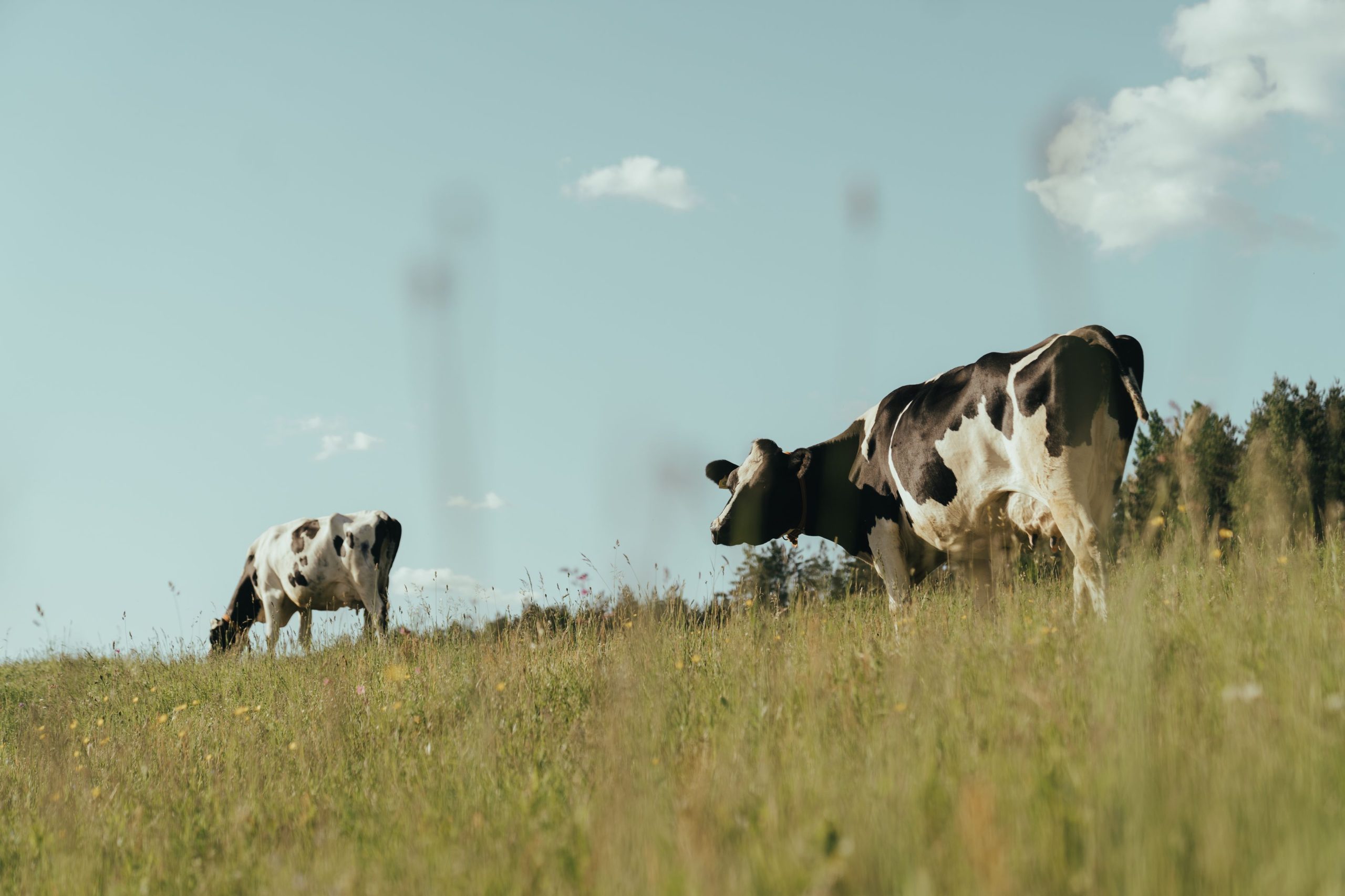
Rotational Grazing
A complementary strategy that improves how effectively grazed grass is used.
See how it works →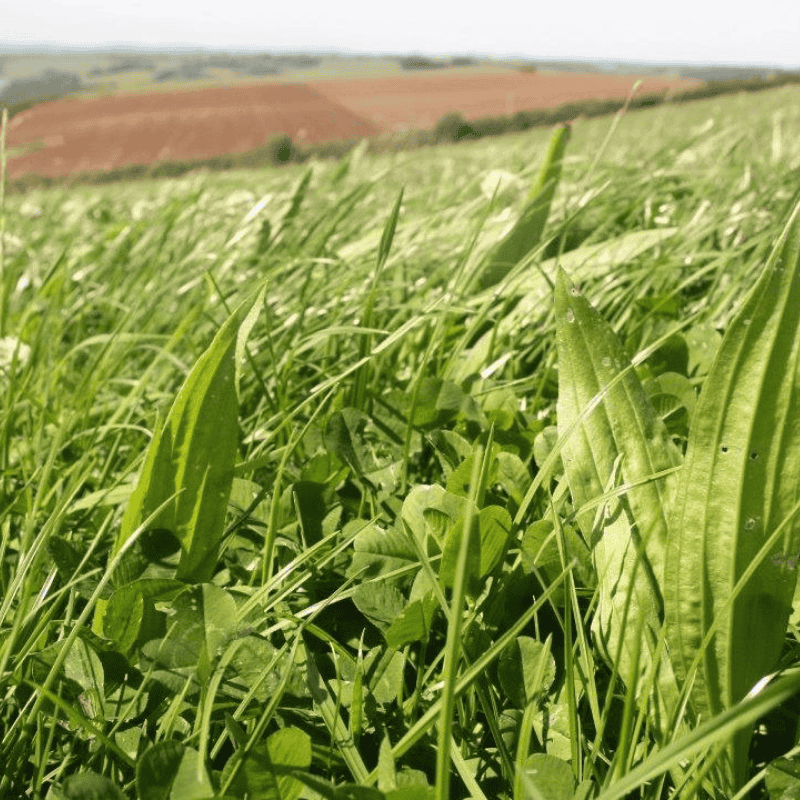
Multispecies Swards
Can improve pasture quality and resilience across a longer grazing season.
See how it works →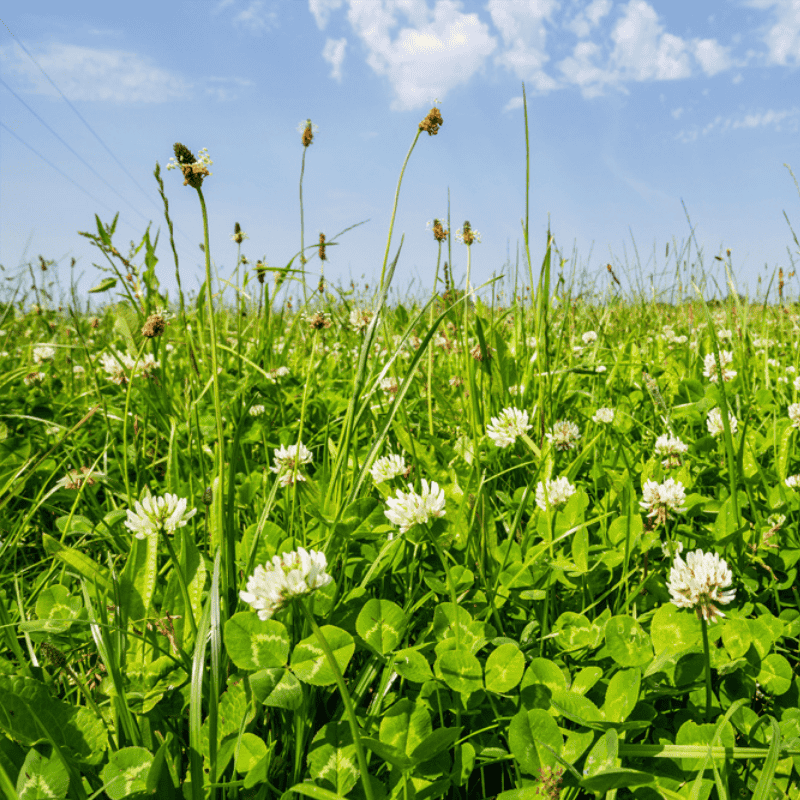
Clover-Based Swards
Another forage lever that pairs naturally with more grazing days.
See how it works →