
Manure & Slurry
Anaerobic
Digestion
A sealed system that captures the methane produced by stored slurry and turns it into biogas, instead of letting it escape into the air.
See the cost breakdown →01 · Context
How It Works
Slurry stored under normal conditions produces methane as it breaks down, and that methane escapes into the air.
An anaerobic digester holds that same slurry in a sealed, oxygen-free tank. The same natural breakdown process happens, but instead of escaping, the methane is captured as biogas.
The captured biogas can be used to generate energy on the farm, or sold on. What's left afterwards, called digestate, is a nutrient-rich material that can still be applied to land as fertiliser.
Digestate keeps its nutrient value, so nothing is lost from the fertilising programme, only the emissions.
Slurry produced
Collected from housing and yards
Captured in the digester
Sealed tank blocks methane escape
Biogas & digestate
Energy out, nutrients back to the land
Slurry produced
Collected from housing and yards
Captured in the digester
Sealed tank blocks methane escape
Biogas & digestate
Energy out, nutrients back to the land
02 · Emissions
Impact On Emissions
Anaerobic digestion significantly reduces methane emissions from manure storage, since methane that would otherwise escape to the air is captured as biogas instead.
The scale of the reduction depends on how much of your slurry volume passes through the digester and how the system is configured. Farms treating their full slurry volume see the largest effect.
Your specific reduction, based on your slurry volumes and storage setup, is modelled precisely for your farm in the ODOS Tech platform.
03 · Production
Impact On Production
There is no negative effect on milk or herd production from installing anaerobic digestion. The digestate retains its nutrient value and can still be used as fertiliser, and the biogas produced can provide farm energy or a new income line.
This isn't a trade-off against production, it's an additional revenue opportunity alongside the emissions reduction.
Production Snapshot
Based on farm-level anaerobic digestion installations
Reported production loss
from installing anaerobic digestion
04 · Costs
Cost & Economics
The most capital-intensive strategy in the toolbox.
Anaerobic digestion requires significant upfront investment in infrastructure, so it tends to suit larger herds with steady, high slurry volumes where the investment can be justified by consistent gas output.
Revenue from energy sales or savings on farm energy costs, along with the retained fertiliser value of the digestate, offset the investment over time.
See how it's modelled →- The most capital-intensive strategy in the toolbox, with the biggest revenue potential
- Suits larger herds with steady, high slurry volumes where investment pays back fastest
- Revenue from biogas energy sales or on-farm energy savings
- Digestate retains its fertiliser value, offsetting the cost further
05 · Fit
Where This Works Best
Strong fit
- Larger herds with consistent, high slurry volumes year-round
- Farms able to justify the capital investment against steady gas output
- Farms wanting an additional revenue stream alongside emissions reduction
Less suited
- Smaller herds, where slurry volumes are too low to justify the investment
- Highly seasonal systems, where slurry volumes fluctuate too much for consistent gas output
06 · Model
How We Model This
The manure management classification for treated slurry volumes is changed to the anaerobic digestion equivalent using IPCC emission factors, reflecting the much lower net methane released once digestion is in place.
FAQ
Preguntas frecuentes
How much does anaerobic digestion reduce methane emissions? +
The reduction is significant, since methane that would otherwise be released from storage is captured as biogas instead. The exact figure depends on the volume of slurry treated and the system configuration.
Is anaerobic digestion worth it for a small dairy farm? +
It suits larger herds with steady slurry volumes best, since the capital cost is easier to justify against consistent gas output.
What happens to slurry after anaerobic digestion? +
It becomes digestate, a nutrient-rich material that can still be applied to land as fertiliser.
Does anaerobic digestion generate income? +
It can, through biogas energy sales or savings on farm energy costs, alongside the fertiliser value of the digestate.
How much does an anaerobic digester cost to install? +
Cost varies by scale and system, and represents a significant capital investment. It's modelled against your own slurry volumes in the ODOS Tech platform.
More Like This
Related Strategies
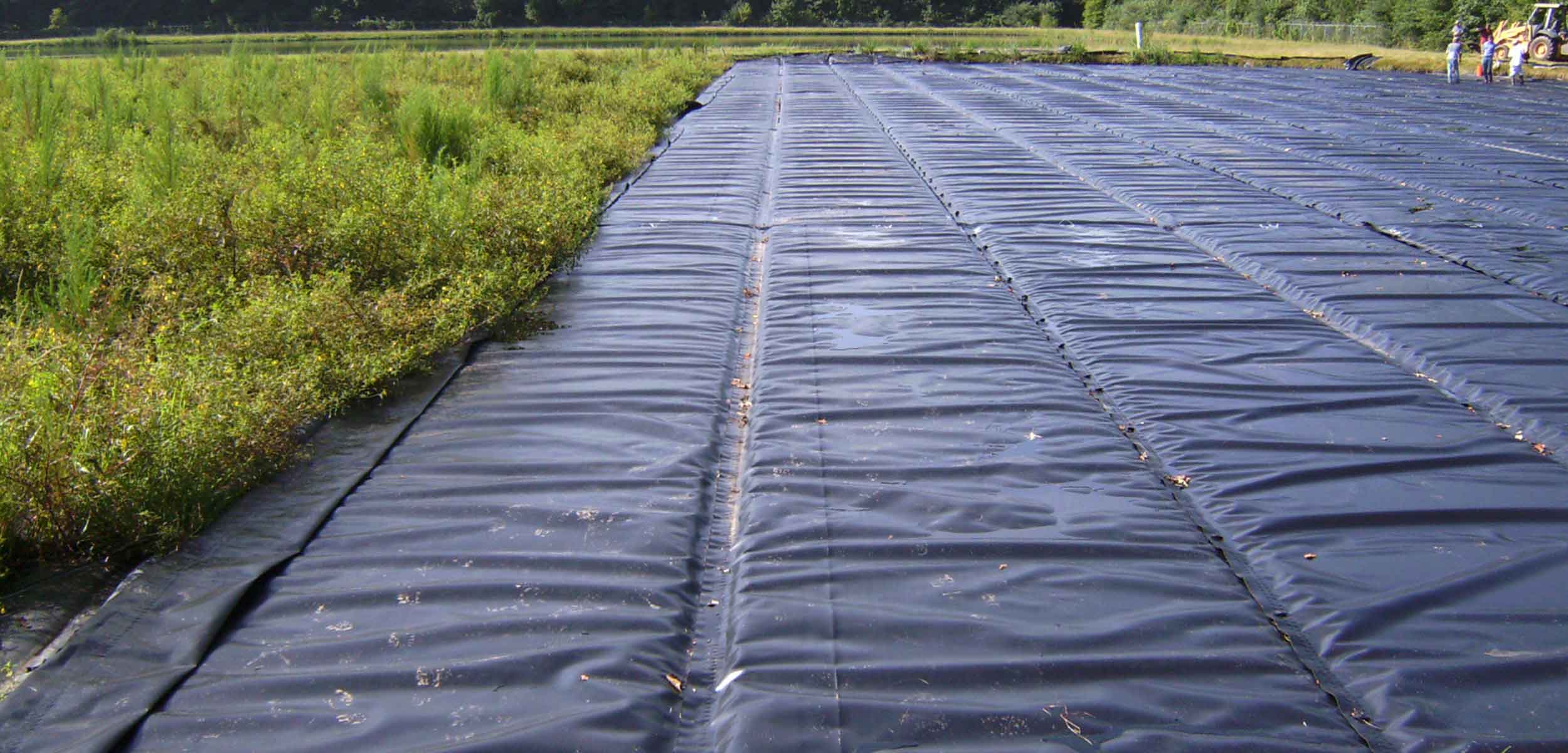
Slurry Additives
A lower-cost alternative that treats slurry chemically rather than through digestion.
See how it works →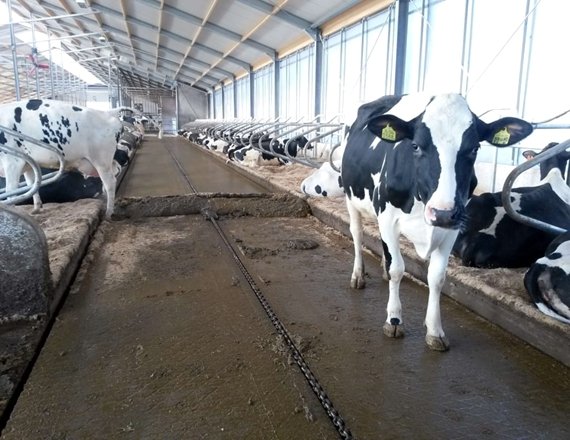
Rapid Removal of Manure from Housing
Reduces methane before slurry even reaches storage, a simpler first step.
See how it works →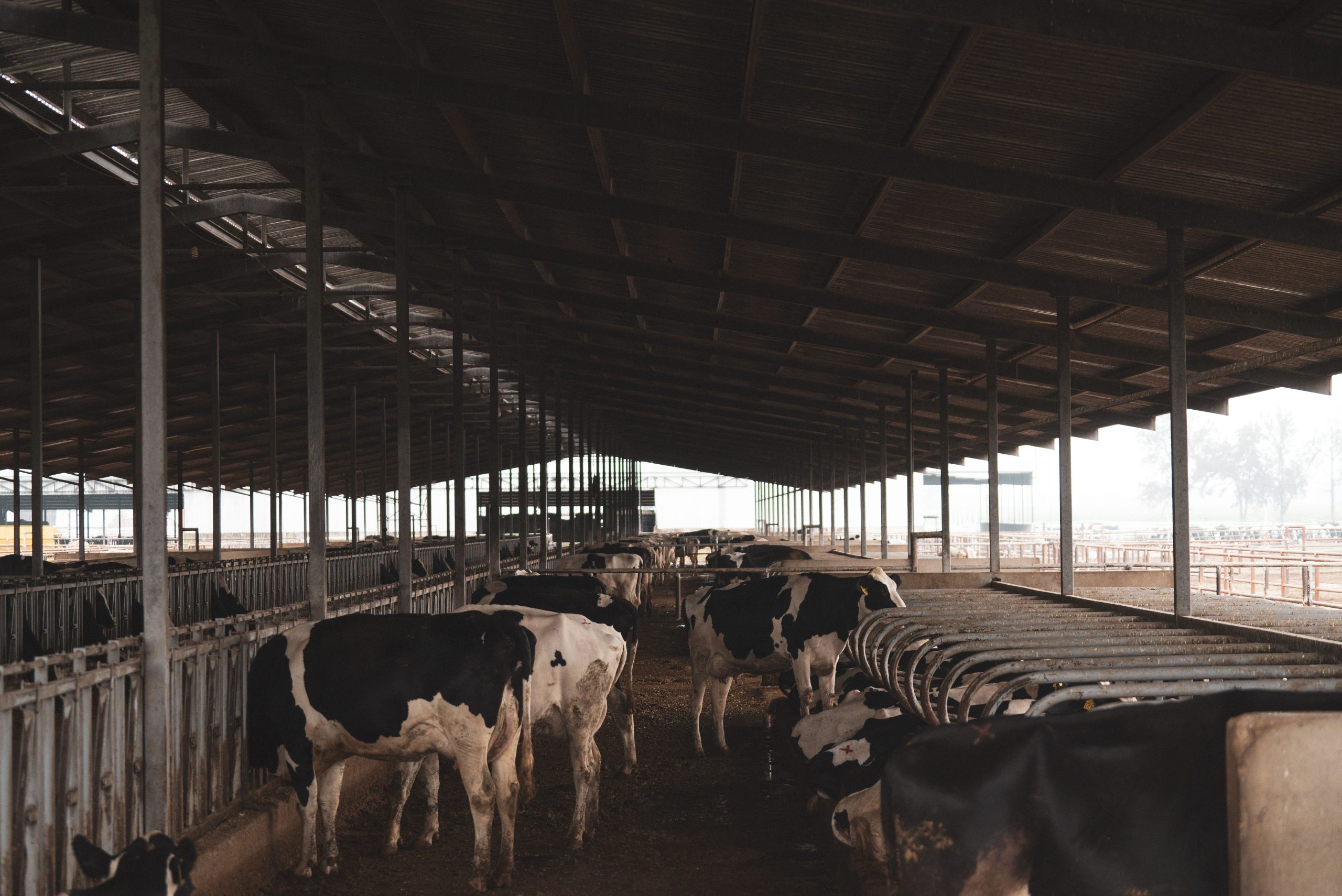
Reduce Cow Population
Another high-impact strategy, worth comparing against anaerobic digestion on scale and cost.
See how it works →